
Harry Colebourn was born in Birmingham in 1887 and came to Canada in 1905. He settled in Toronto and on April 25, 1911, graduated as a Veterinary Surgeon from the Ontario Veterinary College located in Guelph. In 1911, he accepted a veterinary appointment in Winnipeg, joined the 18th Mounted Rifles and was seconded to the 34th Regiment of Cavalry, (later named the 34th Fort Garry Horse), on May 15, 1912.
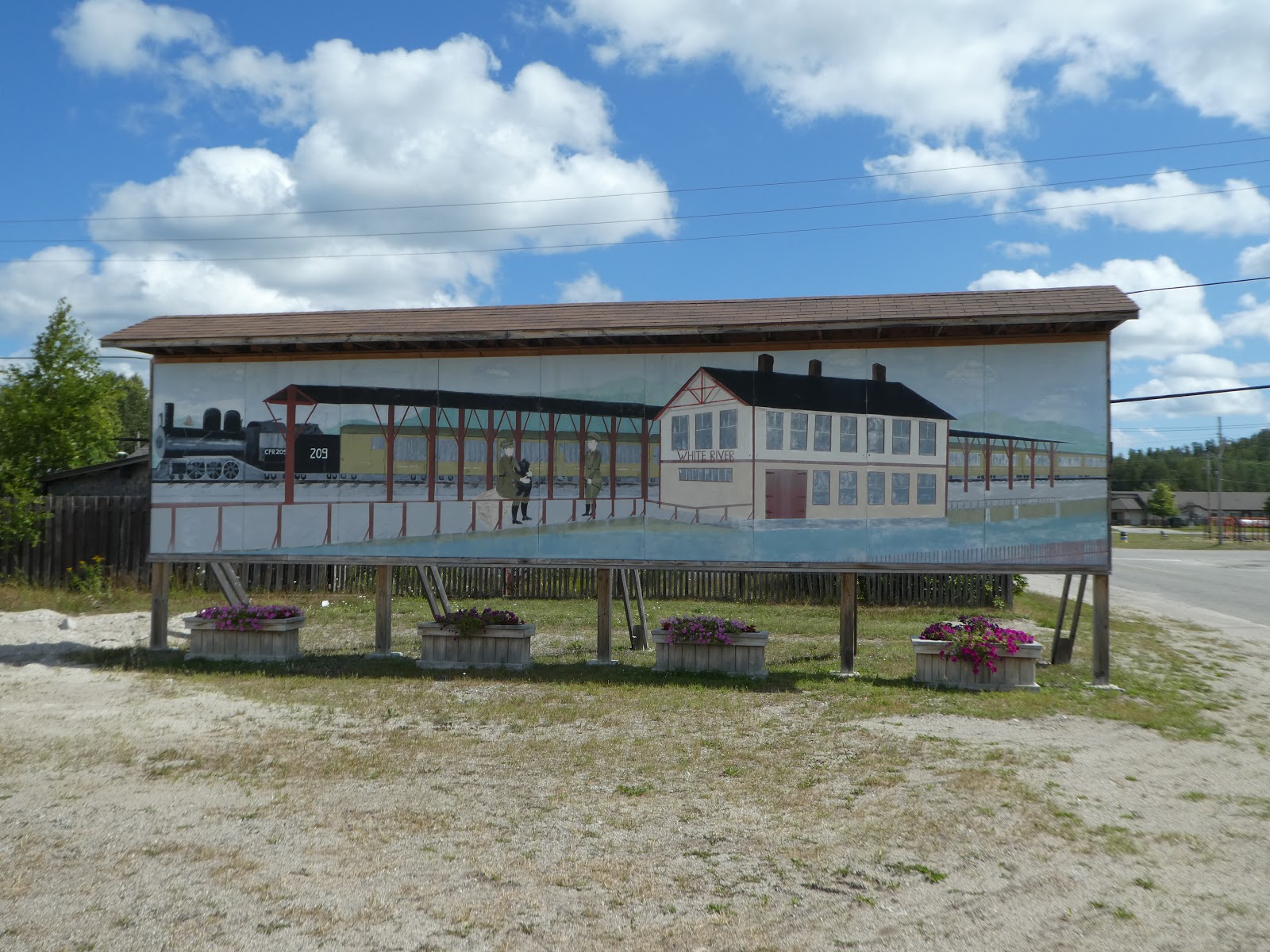
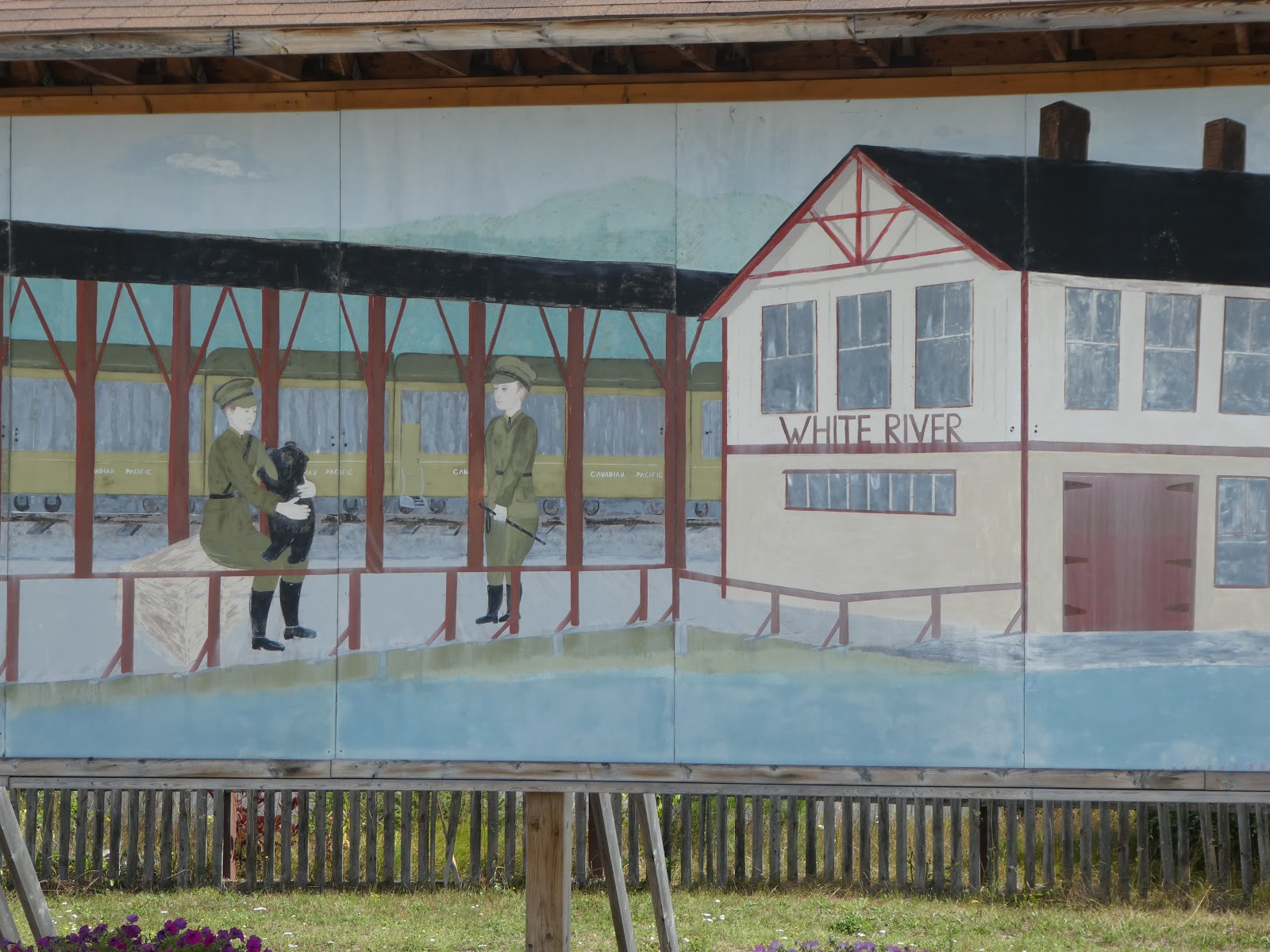
He enlisted in the First World War and left Winnipeg on August 23, 1914, bound for Valcartier, Quebec. While travelling, he was detached from the 34th Fort Garry Horse and returned to the Canadian Army Veterinary Corps because all veterinary officers and soldiers were being re-organized for service in the infantry brigades being formed in Valcartier. On August 24, the train stopped at White River, Ontario where Harry purchased a small black female bear cub for the sum of $20 from a hunter who had killed the cub's mother. Harry named her Winnie after the City of Winnipeg, his hometown.
On September 12, 1914, he was taken on strength of the Second Canadian Infantry Brigade Headquarters. Harry and Winnie embarked from Gaspe Bay for England aboard the SS Manitou. On October 17, they disembarked and left Davenport, England, for Salisbury Plain. Winnie was to remain with him, be a pet to the Second Canadian Infantry Brigade Headquarters and a Mascot to the Canadian Army Veterinary Corps. Winnie quickly became a pet to many of the soldiers and would follow them around in their off-duty hours at Salisbury Plain.
Harry was ordered to remove Winnie from the Brigade Headquarters, as she would not be able to accompany them to the battlefields in France. On December 9, 1914, Harry left Winnie at the London Zoo in safe keeping until the end of the war when he intended to bring Winnie back to Canada with him. He was very fond of her and visited her often when on leave.
When the war ended in November 1918, Harry donated Winnie to the London Zoo in appreciation of caring for her during those four war years. Winnie had become a feature attraction for many thousands of visitors, especially young children. Two of her admirers were writer A.A. Milne and his young son Christopher Robin. In 1926, as a result of his son’s keen enjoyment in visiting with Winnie, Milne published the first of the series of Pooh’s Classics called Winnie-The-Pooh.
Harry was honored for his services by being recommended for the Order of the British Empire by the Director of Canadian Veterinary Services, C.E. Edgett, D.S.O. “For his untiring devotion to his duties as Veterinary Officer first with the Units in the Field, with whom he served for over three years, then as Senior Veterinary Officer of Bramshott Area. This officer has always been most attentive to his professional charge and unsparing in his endeavors to produce efficiency, both when employed as an executive officer and as an administrative officer. He has been twice Mentioned in the Dispatches of the Field Marshal, Commander in Chief, British Forces in France, and was previously recommended by this department for an Honour”. The medal was not awarded.
After the war, Captain Colebourn remained in England for a short while to further his veterinary education and training by taking a post-graduate course at the Royal College of Veterinary Surgeons in London. He was subsequently accorded the title of Member of the Royal College of Veterinary Surgeons following his successful graduation from that institution.
On returning to Canada in early 1920, he went directly to Winnipeg and opened his own veterinary practice located at 377 McMillan Avenue and practiced there until 1926. Although his health was not good, he maintained his military relationship with The Fort Garry Horse as their Veterinary Officer with the rank of Major from January 15, 1921, until his retirement from the military on April 15, 1929. Major Harry Colebourn is buried at Brookside Cemetery, Plot 1312, in the Field of Honour. Harry also served on the Executive of the Army and Navy Veterans in Canada, Fort Garry Unit #60, during the Second World War.
In 1981, a bear cub statue by sculptor Lorne McKean was unveiled at the London Zoo with a plaque commemorating Winnie. In 1992 and 1993, statues of Harry and Winnie by sculptor William Epp were placed in the Winnipeg and London Zoos. In 1997, the town of White River, Ontario, Winnie’s birthplace, put a plaque in the London Zoo commemorating their connection with the famous bear. There is also a statue of Pooh in his tree in White River. On May 30, 1999, a special plaque commemorating the service of Harry Colebourn to The Fort Garry Horse and Canadian Army Veterinary Corps was placed in the London Zoo near the site of Winnie’s home for 20 years. A special musical tribute, The Fort Garry Suite was composed for the occasion and played for the first time in public at the ceremony.
The Major Harry Colebourn and Winnie Mural was created in the early 1990s by Vicki Radul.