[plaque/plaque]
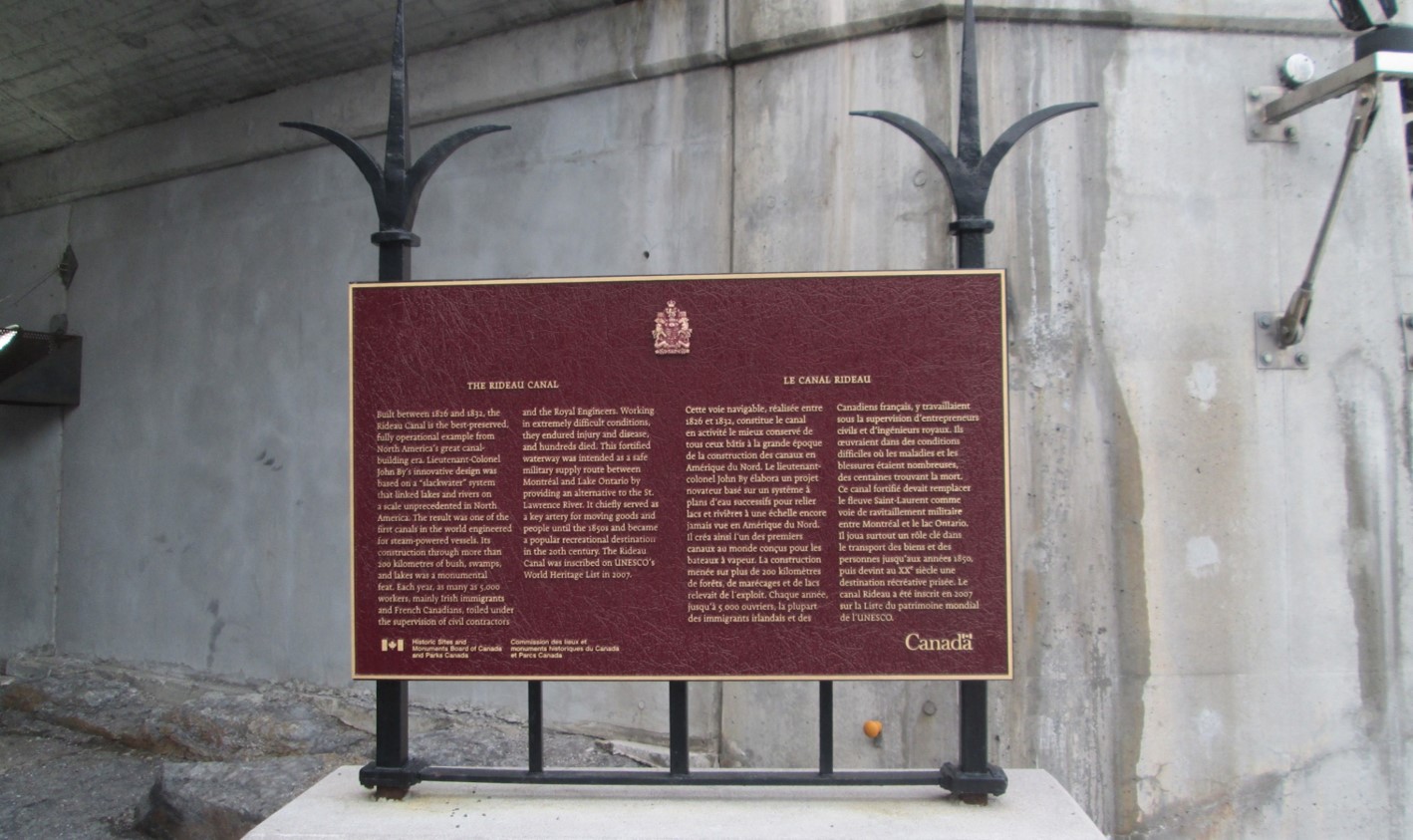
The Rideau Canal
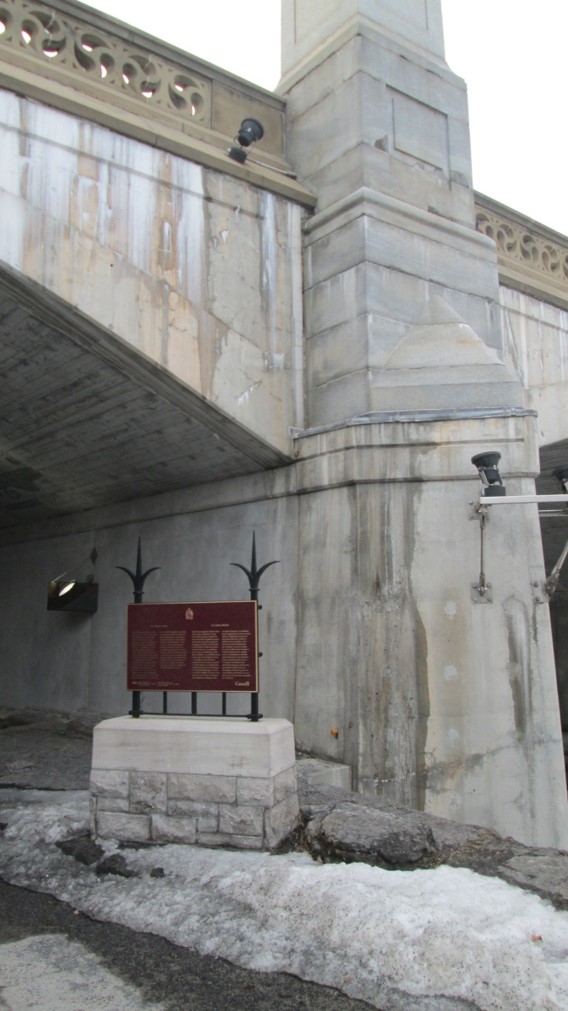
Built between 1826 and 1832, the Rideau Canal is the best preserved, fully operational example from North America’s great canal-building era. Lieutenant-Colonel John By’s innovative design was based on a “slackwater” system that linked lakes and rivers on a scale unprecedented in North America. The result was one of the first canals in the world engineered for steam-powered vessels. It’s construction through more than 200 kilometres of bush, swamps, and lakes was a monumental feat. Each year, as many as 5000 workers, mainly Irish immigrants and French Canadians, toiled under the supervision of civil contractors and the Royal Engineers. Working in extremely difficult conditions, they endured injury and disease, and hundreds died. This fortified waterway was intended as a safe military supply route between Montréal and Lake Ontario by providing an alternative to the St. Lawrence River. It chiefly served as a key artery for moving goods and people until the 1830’s and became a popular recreational destination in the 20th century. The Rideau Canal was inscribed on UNESCO’s World Heritage List in 2007.
Le Canal Rideau
Cette voie navigable, réalisée entre 1826 et 1832, constitue le canal en activité le mieux conservé de tous ceux bâtis à la grande époque de la construction des canaux en Amérique du Nord. Le lieutenant-colonel John By élabora un projet novateur basé sur un système à plans d’eau successifs pour relier lacs et rivières à une échelle encore jamais vue en Amérique du Nord. Il créa ainsi l’un des premiers canaux au monde conçus pour les bateaux à vapeur. La construction menée sur plus de 200 kilomètres de forêts, de marécages et de lacs relevait de l’exploit. Chaque année, jusqu’à 5000 ouvriers, la plupart des immigrants irlandais et des Canadiens français, y travaillaient sous la supervision d’entrepreneurs civils et d’ingénieurs royaux. Ils œuvraient dans des conditions difficiles où les maladies et les blessures étaient nombreuses, des centaines trouvant la mort. Ce canal fortifié devait remplacer le fleuve Saint-Laurent comme voie de ravitaillement militaire entre Montréal et le lac Ontario. Il joua surtout un rôle clé dans le transport des biens et des personnes jusqu’aux années 1850, puis devint au XXe siècle une destination récréative prisée. Le canal Rideau a été inscrit en 2007 sur la Liste du patrimoine mondial de l’UNESCO.
Historic Sites and Monuments Board of Canada & Parks Canada
Commission des lieux et monuments historiques du Canada et Parcs Canada