Find colouring sheets for your classroom. You can also explore lesson plans and other resources to support further learning.
Flowers
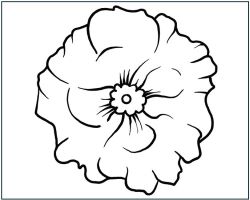
Poppy
We wear red poppies on November 11 for Remembrance Day. This flower helps us remember Canadian military members who died to protect peace and freedom around the world.
Related information: The poppy
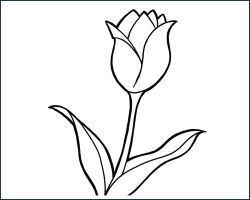
Tulip
Colourful tulips are a symbol of friendship between the people of Canada and the Netherlands. Canadian Veterans helped liberate this country during the Second World War.
Lesson plan: Flowers of Friendship

Forget-me-nots
July 1 is Memorial Day in Newfoundland and Labrador. People wear forget-me-nots. This flower shows they remember military members who died to protect peace and freedom around the world. The centre of each flower is yellow and the petals are blue.
Lesson plan: Forget-me not
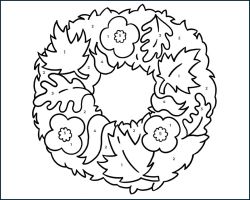
Wreath
People lay wreaths on Remembrance Day at monuments and memorials across Canada. It is a nice way to show that we remember those who served.
Medals
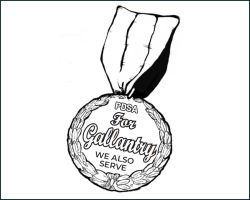
Dickin Medal
The Dickin Medal is given to animals for bravery. Many pigeons, dogs, horses and even a cat have been awarded the Dickin medal. The ribbon has three coloured stripes:
- Green for water and the navy,
- Brown for earth and the army, and
- Blue for air and the air force.
Lesson plans:
- Remembering Sergeant Gander (ages 5-7)
- Honouring Sergeant Gander (ages 8-12)
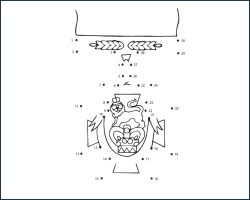
Victoria Cross dot-to-dot
The Victoria Cross was the highest award for bravery a person could receive during the First World War. It is called the Victoria Cross because it is in the shape of a cross. It is named after Queen Victoria.
Lesson plan: Canada’s Hundred Days: connect the dots activity
Memorials

Reconciliation: The Peacekeeping Monument
This special monument is dedicated to Canadian peacekeepers. Reconciliation means working to rebuild a friendly and respectful relationship after a conflict. Our Veterans have protected peace and freedom around the world. They deserve our thanks.
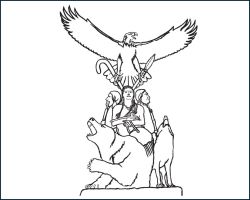
National Aboriginal Veterans Monument
Many Indigenous people have served in Canada’s military. The National Aboriginal Veterans Monument helps us honour them. Four warriors (two men and two women) represent First Nations, Métis and Inuit peoples. Around them are sculptures of symbolic animals. There is an eagle, grizzly bear, caribou, wolf and bison.
Lesson plan: National Aboriginal Veterans Monument activity
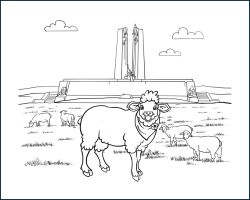
Canadian National Vimy Memorial
Pax is at the Vimy Memorial in France. It honours Canadians who served during the First World War. This memorial has many beautiful statues. It also has two tall towers representing Canada and France. The names of many Canadians who died in France but who had no known grave are carved on the memorial’s base.
Pax is part of a flock of sheep who work at the memorial. They keep the grass short!
Poem: A monument to remember
The Remembrance Club
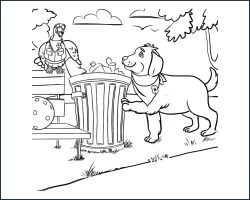
Being a good neighbour
Our Veterans helped when people needed it most. You can help, too!
Squeaker the pigeon and Gandy the dog are being good neighbours. They are cleaning up litter in their park. How can you be a good neighbour?
Video: Being a good neighbour
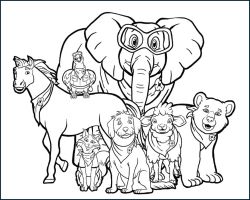
Meet the Remembrance Club!
We love to learn about, remember and recognize Canada’s Veterans. How will you remember?
Video: Meet the Remembrance Club
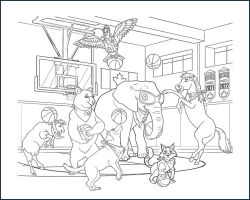
Playing Invictus sports
The Remembrance Club members are playing adaptive sports. These are sports like wheelchair basketball that are played at the Invictus Games. This special sports event is for Veterans or military members who are wounded, injured or sick. Taking part can be an important part of their healing journey.
Lesson plans: Invictus Games learning centre
Bonfire Jr.
Hello NEIGHbour! I’m Bonfire Jr. I’m named after my relative, Bonfire. He was a good friend to John McCrae. John was a Canadian army doctor in the First World War. He wrote the famous poemIn Flanders Fields.
Bonfire Jr’s story: Man’s best friend
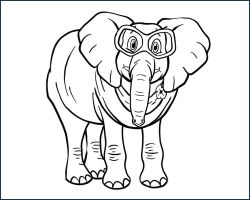
Ellie
They say elephants never forget! I’m Ellie and today I am remembering Bandoola. He worked with his human friends a long time ago in a country called Burma. They built roads, moved heavy logs and carried people and supplies across rivers. Bandaloo even helped pull army vehicles out of the mud!
Ellie’s story: Big body, bright brain
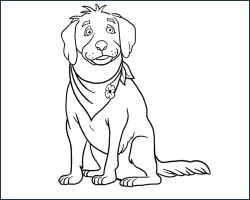
Gandy
Hi! I’m Gandy. I was named after a dog named Gander. He served Canada in the Second World War. Gander saved the lives of many of his human friends. He received the Dicken Medal for his bravery.
Gandy’s story: Mascot dog sacrificed life for human comrades
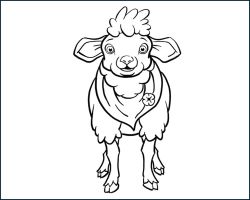
Pax
Welcome to France! I’m Pax and I work at the Canadian National Vimy Memorial. I’m part of a flock of sheep who keep the grass trimmed.
Memorials honour people who served in the military. Taking care of them and showing respect is very important.
Pax’s story: A memorial to remember
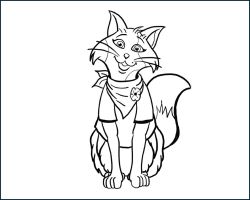
Simone
I’m so happy to meet you. My name is Simone. I was named after Simon. He served on a warship in the Second World War. Simon helped protect the ship’s food from rats. Food the sailors needed to survive! He also comforted them when they were hurt or afraid.
Simone’s story: Cat aids crew
Squeaker
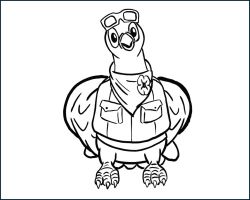
My friend Beachcomber was a messenger pigeon. In 1942, he flew all the way from France to England. He was carrying an important message about the Dieppe Raid. That is a long way for a little bird to fly!
Squeaker’s story: Hero pigeons: Feathered friends
Lesson plan: Beachcomber delivers the news
Win
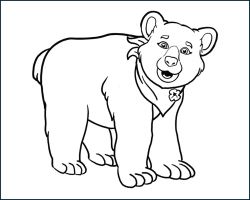
Win the bear signing in! I was named after a Canadian bear named Winnie. She was adopted by soldiers training to serve in the First World War. Winnie stayed at the zoo in London, England, when her friends went into battle. She inspired the creator of Winnie-the-Pooh.
Win’s story: Bears as mascots?
Valentines for Vets
Related information: Valentines for Vets