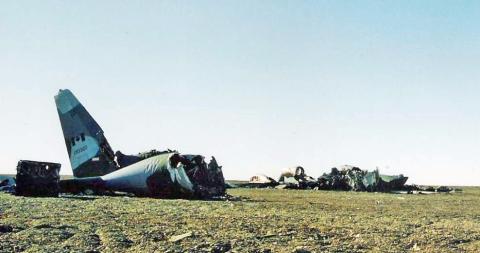
On October 30, 1991, CC-130 Hercules from 435 Transport Squadron in Edmonton crashed 16 kilometers from Alert, while conducting the Boxtop 22 resupply flight to Canadian Forces Station Alert, Nunavut. At approximately 4:40 p.m., flight 22 of Operation BOXTOP – as the biannual resupply mission is called – was on its final approach to the station from Thule Air Force Base in Greenland. As the CC-130 Hercules, loaded with 3,400 liters of diesel fuel, began its descent, the pilot flying lost sight of the runway.
Moments later, radar contact and communication were lost as the aircraft hit a rocky cliff and crashed. The crew of another CC-130 Hercules, also bound for Alert, saw the fires of the crash and identified the location of Boxtop 22. Every hour or two, as 12 of the 14 survivors huddled half-frozen in the shattered tail section of the aircraft, Captain de Groot, a physician, called out the names of her fellow survivors to ensure they were still awake and had not succumbed to the cold.
The survivors, some soaked in diesel fuel, endured more than 30 hours in a brutal storm that brought high winds and temperatures of -20C to -30C with extreme wind chill – all in the 24-hour darkness of the Arctic winter. The first two overland rescue efforts were called back due to weather conditions and dangerous terrain. A search and rescue Hercules from 413 Squadron in Greenwood, Nova Scotia, arrived over the site after about eight hours, but were unable to parachute in because of the high winds and lack of visibility due to cloud cover. When they finally risked the jump, almost all their equipment and medical supplies were whipped away by the wind and disappeared. They made do with what they had, offering shelter, assistance and comfort to the survivors. Shortly thereafter, another group of search and rescue technicians jumped in, followed by a third overland expedition, carrying supplies and equipment.
The two outside – Sue Hillier and Bob Thompson – could not be brought into the shelter of aircraft tail because their injuries were too extreme for them to be moved. The others built a shelter around them and, against all odds, they survived. Captain de Groot told the search and rescue technicians to tend to them first when they reached the survivors in the tail section. Many of the passengers on Boxtop 22 – the 22nd flight of the second major resupply mission of 1991 – were communications researchers from Communication Command, involved in signals intelligence work.
The survivors and six search and rescue technicians were flown from the site to the station onboard a CH-135 Twin Huey helicopter that had been transported north onboard another Hercules. The remaining search and rescue technicians, the overland rescuers and the bodies of the dead were brought out by American HH-160 Pave Hawk helicopters from Elmendorf Air Force Base in Alaska.
Four people died almost immediately from injuries sustained during the crash: Captain Judy Trépanier, Master Warrant Officer Tom Jardine, Warrant Officer Robert Grimsley and Master Corporal Roland Pitre. Captain John Couch, the Herc’s pilot, answered the roll call for several hours before finally succumbing to hypothermia – after doing everything in his power to help ensure the survival of the other men and women. Captain de Groot called out the names one last time at Alert when all the survivors had been rescued and were gathered together in the station’s dining room, which had been turned into a makeshift medical facility. It was the first and last time all 13 were together; they were then flown south to medical facilities to begin the long process of healing.
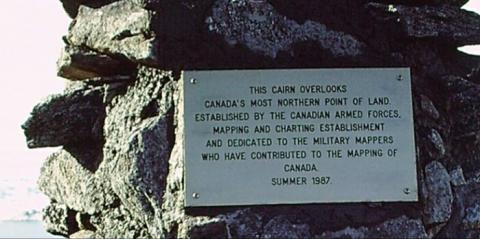
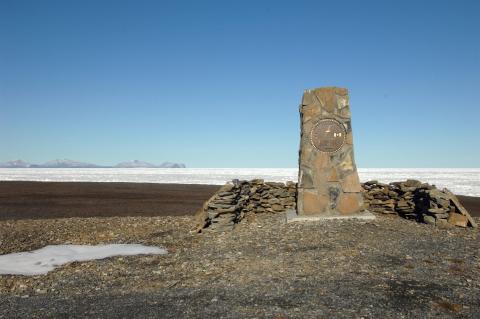
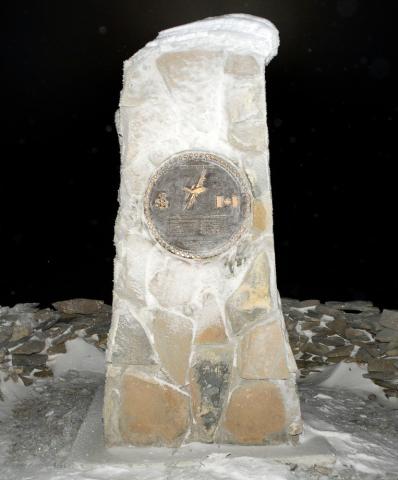
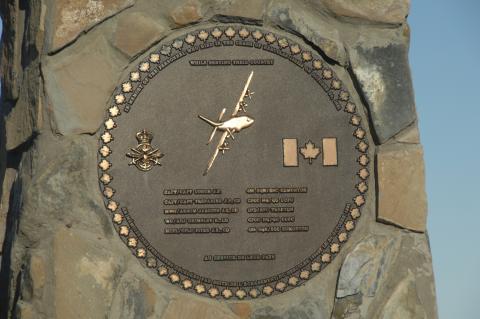
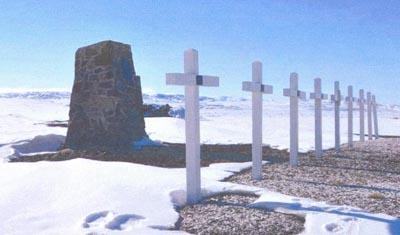
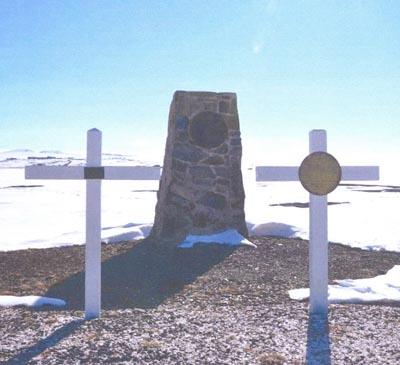
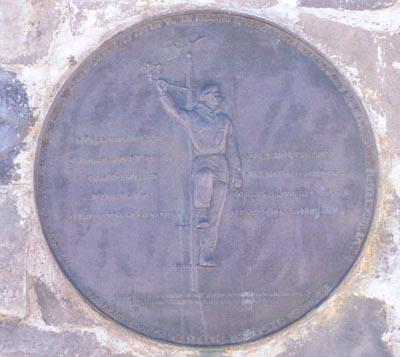
The Boxtop 22 Cairn is located on the northern tip of Ellesmere Island near Canadian Forces Station Alert's runway, 20 kilometers southwest of the crash site. It was dedicated on 24 June 1993. The seven-foot high cairn was built from local slate by the Canadian Forces Station Alert construction engineering section. Its bronze plaque contains the names of the those who died, the Air Command and Communication Command crests, and an image of a Hercules aircraft surrounded by maple leaves. An identical plaque was placed on a Boxtop 22 cairn that was dedicated on October 30, 2016.