Attention!
Cette vidéo est disponible en anglais seulement.
Description
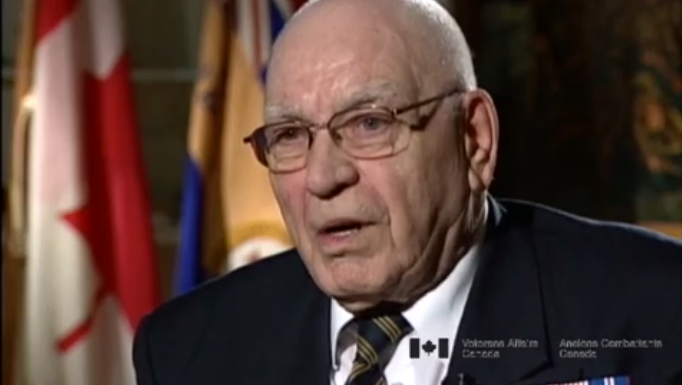
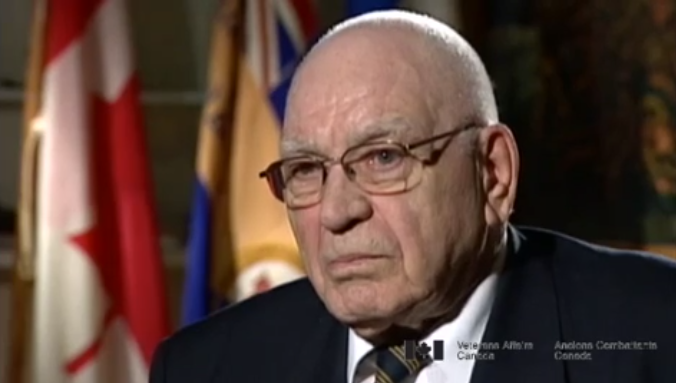
Ms. Sloan describes her medical involvement during a diphtheria epidemic during the “push to the Rhine” and how fortunate they were to have sufficient supplies of penicillin, penathol and plasma to treat the casualties
Transcription
We had a terrible epidemic of diphtheria in January, but I think it was February, I can’t remember dates at all. The “push to the Rhine” started and then the casualties just, it was incredible the amount of casualties we had. Somebody once told me, I don’t know if it was true, that we had more casualties go through the hospital in 30 days than any other hospital had ever had. It was, we just never stopped. Once they were stable they were into, onto an aircraft and over to U.K. The RCAF run the most marvellous service, evacuation, it was just wonderful. They could take so many, so many litters of stretchers, or so many sitting. They called them lyers and sitters, and once they were able to travel they were gone. So you never really got to know these patients, you know. Other things we had of course, they made it so marvellous for the men and for us, were things like penicillin. We had a wonderful whole blood supply. The blood was brought to us ready to, all we had to do was reconstitute it. Whole blood and lots of plasma. All the plasma, we could us just reconstitute it with distilled water or a saline, and we didn’t even have to clean up the equipment. It all went back in the packing boxes and more blood and more blood substitutes arrived. We had a whole series of things that other people didn’t have in World War One. Like their patients stayed with terrible, terrible infections for weeks and weeks and weeks, and we had our marvellous penicillin. It was a lot of work. You had to give it every three hours. The boys didn’t like it very much but anyway, it was so, it was like a miracle. And we had pentothal for an anaesthetic which was marvellous because you need it to give to patients. Just enough to carry through the operation and you can lift it so that by the time the surgery is over the patient is becoming conscious. Because there was no, there was no vomiting and all this sort of thing that went along with general anaesthetics before the war, so that was another wonderful thing that we had was pentothal. So we were fortunate in the blessings that we had and of course the other thing was we had great pals and great friends and everybody worked like Billy be damned. Everybody was going full out and nobody, you didn’t hear complaints or silly stuff. It was just, everybody was in it up to their heads and over, and everybody knew everybody else was trying their very hardest. So there wasn’t any back biting sort of stuff.
Catégories
Diphtheria Epidemic
Médium
Video
Propriétaire
Veterans Affairs Canada
Guerre ou mission
Seconde Guerre mondiale
Emplacement géographique
Europe
Personne interviewée
Hallie Sloan
Branche
Armée
Military Rank
Lieutenant-colonel
Durée
2:47