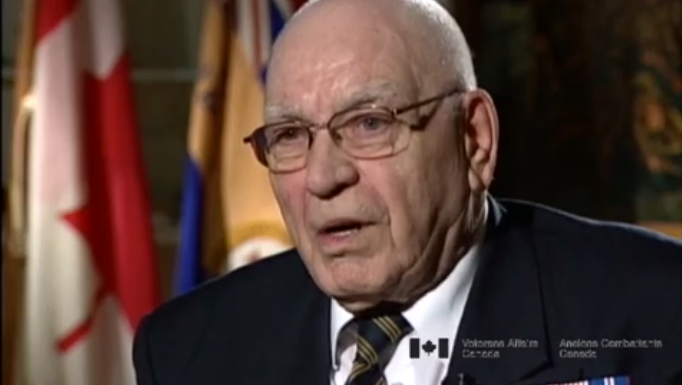
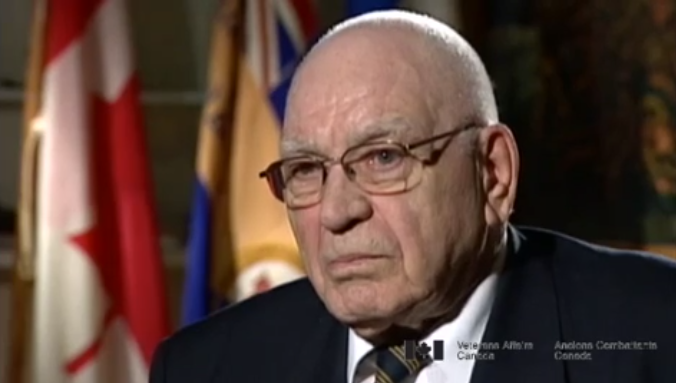
Description
Ms. Streppa describes the limitations that her field hospital faced and the ability of staff to adapt to their limited medical supplies.
Joanna Streppa
Mme Streppa est né à Montréal. Elle a joint les Forces canadiennes en 1989 en tant que membre non-officiers et une formation de signaleur naval. De 1990 - 1997, elle a travaillé dans la région de Halifax, à l'exception d'une tournée de deux ans au siège de la Défense nationale à Ottawa. Après l'obtention de son diplôme de l'Université Dalhousie en soins infirmiers, Mme Streppa reçu sa commission de la direction, spécialisée dans les soins intensifs, et en 2004 a été promu au grade de lieutenant. En Février 2006, elle a accepté un déploiement en Afghanistan / Kandahar et a été employé comme officier d'état major du quartier général de Groupe des Services de santé des Forces canadiennes à son retour.
Transcription
We have a couple of things that we can’t do. Certain blood testing we can’t do. To find out which kind of bacteria you have in your system, we couldn’t do that. That had to be sent away to another hospital. I think it was Baglum we had to send that to. I’m not 100% sure. I’d have to check with my lab technicians, but most part we had everything. If we didn’t have anything, if we didn’t have a specific item then we would make it up. We used to call it ‘McGyver’ nursing. We did not have feeding pumps when we first arrived so we found a way to feed our patients through a different system and it was a lot of ‘McGyver’ nursing. It was the first time we’ve ever done this and try to get supplies into a war zone is a little more difficult than trying to get supplies in a civilian hospital, because everything becomes a priority. Your food, your bullets, all types of ammunition, spare parts for the vehicles, medical equipment. It’s all a priority because you can’t fix the patient. However, the patient can’t go do something unless he has all this stuff so it becomes like cause and effect and everybody did their best they can. So if we did, we ran out of one medication we’d switch to something else. We’d talk to the doctor and say, “Okay, we don’t have that today. We’ve got this and we’ve got that, we’ve got this, what do you want? ” It became a lot of, okay, try to figure it out, but no person went without. We were always able to find a different solution, because there is always a different solution in medicine.