Description
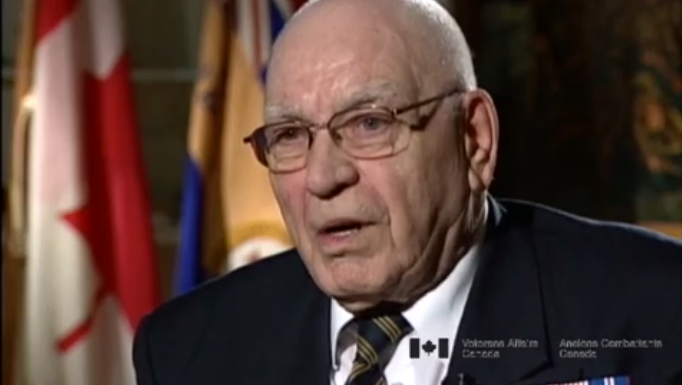
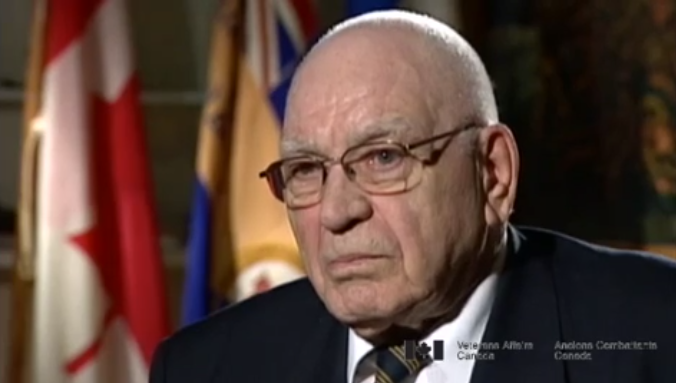
Ms. Streppa describes the types of injuries that were treated in the Kandahar field hospital, and describes her most memorable patient, a young Afghan mother who, for her, symbolized why Canadians are in Afghanistan.
Joanna Streppa
Mme Streppa est né à Montréal. Elle a joint les Forces canadiennes en 1989 en tant que membre non-officiers et une formation de signaleur naval. De 1990 - 1997, elle a travaillé dans la région de Halifax, à l'exception d'une tournée de deux ans au siège de la Défense nationale à Ottawa. Après l'obtention de son diplôme de l'Université Dalhousie en soins infirmiers, Mme Streppa reçu sa commission de la direction, spécialisée dans les soins intensifs, et en 2004 a été promu au grade de lieutenant. En Février 2006, elle a accepté un déploiement en Afghanistan / Kandahar et a été employé comme officier d'état major du quartier général de Groupe des Services de santé des Forces canadiennes à son retour.
Transcription
The injuries that we saw were gunshot wounds definitely. We saw mine blasts so a lot of times traumatic amputations. We would see stabbings. You would see rollovers. A lot of vehicles rolled over. You would see blast injuries, lots of burns, burns, burns, burns. Something I hadn’t seen before I got to Afghanistan. What else we saw? A few appendicitis, like the normal thing that you would see in a normal small city of 10,000 people. Pneumonia, little things that happen, but most of it was trauma, trauma, trauma. I had never seen a gunshot wound so the first time I saw a gunshot wound I was expecting more. Until you realize, okay it’s a wound like any other, treat it, treat any emergency like you would treat back home. Your ABC, which is airway, breathing, circulation and then you know you have to disregard for a second it’s a gunshot wound and just do what you would normally do with any other patient who is in a trauma. And after that it was nothing. We got so desensitized to our bullet wounds, it was oh a guy comes in with two arms, two legs, he doesn’t have a head injury. You treat him accordingly, but it’s like a sprained ankle for us at that point, because we’ve seen so many of them. You do six months in Afghanistan, it’s like doing ten years in a trauma centre. You can never ever imagine the amount of trauma we see. The patient I remember the most is a fifteen year old Aghan girl who came in with a stab wound to the neck. Her husband decided that she had cheated on him even though she hadn’t and wanted to kill her, but he missed. So his family was afraid that he would go to jail so they left her to die in their house for about nine days. Didn’t give her any medical treatment. Her mother came by to look for her and brought her in to us. She unfortunately died, not with us. We did what we could and eventually we had to move the patient into Muirwise, ’cause we cannot keep a bed space if we can transfer a patient to another hospital and Muirwise is the local national Afghan hospital for Afghan individuals, and there was nothing we could do for her up to what we did for her. We kept her as comfortable as possible. This girl was a young girl, fifteen years old like I said, had two children and this is where you see human rights are, there’s none existing in Afghanistan. It was the one that bothered me the most out of all the patients I saw in Afghanistan. And that’s why we’re there.