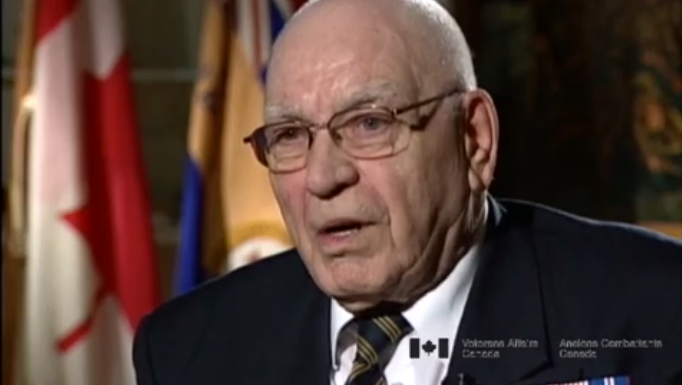
Description
Ms. Streppa describes the positive impact the Medical Corps had on the parents of Afghanistan children she treated, and expresses her hopes for the future of these children.
Joanna Streppa
Mme Streppa est né à Montréal. Elle a joint les Forces canadiennes en 1989 en tant que membre non-officiers et une formation de signaleur naval. De 1990 - 1997, elle a travaillé dans la région de Halifax, à l'exception d'une tournée de deux ans au siège de la Défense nationale à Ottawa. Après l'obtention de son diplôme de l'Université Dalhousie en soins infirmiers, Mme Streppa reçu sa commission de la direction, spécialisée dans les soins intensifs, et en 2004 a été promu au grade de lieutenant. En Février 2006, elle a accepté un déploiement en Afghanistan / Kandahar et a été employé comme officier d'état major du quartier général de Groupe des Services de santé des Forces canadiennes à son retour.
Transcription
I never went outside the wire. However, I was able to see a positive effect through the parents or the brothers, cousins, uncles. If we had a child come in, we had a lot of children that were part of, we had to care for, and you could see by the interaction we had with these male members. At first they were afraid of us, didn’t want to touch us, didn’t want to talk to us, and then when they realized that we weren’t there to harm their children because the Taliban tell them that we’re there to kill all the children, that the white people are not nice people. Then they realize that we’re actually taking care of them. We’re giving the best that we can for their child. You can see it in their faces. They tell us that, that I can’t wait to go back to my village. I can’t wait to tell them that women took care of my child who nursed my child back to health. That women can actually do something. We did have a lot of male nurses with us, but they saw it as something completely different than what they see in their country. And they would shake our hands and that’s something that doesn’t happen in Afghanistan, but they noticed that other people were shaking our hands, like males to women. So they would shake our hands and thank us. They’d realize that was our way of communicating with one another. They mimicked a lot of our things. It was cute, some of it was. Some of it was, oh, wow, maybe I’m making a change, maybe that little child who got hurt who remembers seeing me or another nurse take care of them or a doctor will think somewhere down the line that I can do whatever I want to do. I can be whatever I want to be.