Attention!
Cette vidéo est disponible en anglais seulement.
Description
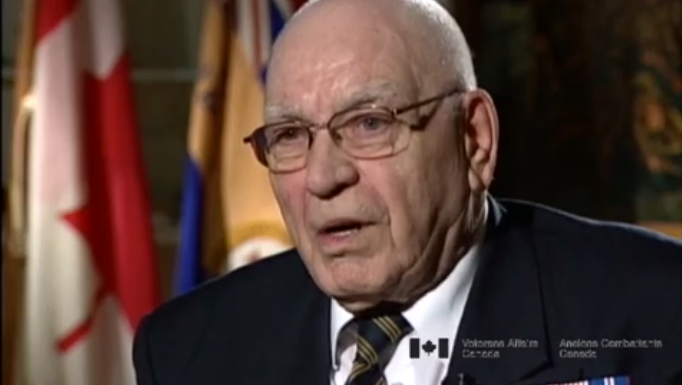
Mr. Zayachkowski describes the types of wounds he dealt with, stopping bleeding as a first responder’s top priority, and visiting those he’d saved in hospitals on his rest days.
Transcription
Shrapnel wounds, some arms cut off, back, legs pretty well sliced with shrapnel, you know. Some no leg at all. Lots of them, head, they still alive, but shrapnel had the head sliced open and the face and all like this, you know. Some of them that wounded, there some they got, the heart stops, you know. Survived quite a few that the heart stopped, do the quick mouth-to-mouth. Once the heart start beating then you do the rest. Once you can put a tourniquet next to it so it don’t bleed, you can bandage him up good. So he doesn’t bleed to death, take him to hospital soon as possible. Because you had the van, and we had the jeep to take them closer to the front with two stretchers on it. One hospital we came in there, when they seen a jeep, or a van comes in, that truck, they tend them like lightning. Nurses and doctors, get them into emergency ward, you know. But some of them, doctors and nurses, they’re used to it. Tey know what to do, quick-lile, but they had the equipment to work with, you know. Like on the field, what you have, just a few instruments with you in your pack. Just do the best you can. Lots of times I’m in the hospital when there’s not too many shells in those areas firing, so I’m in hospital checking those people in hospital how they are, you know, surviving. Some of them pretty bad shape yet, they don’t know, they’re out cold yet, but they’re still breathing. Well, lots of them that they know that I brought them in, I saved their lives, you know. They always say, “You’re not a doctor but how can you do it? ” I said, “Well, I was there to save you guys. Ain’t that good enough? ” I said. “I was trained to save, not to let you die.”
Catégories
I’m Trained to Save
Médium
Video
Propriétaire
Veterans Affairs Canada
Guerre ou mission
Seconde Guerre mondiale
Branche
Armée
Unité ou navire
Royal Canadian Artillery
Military Rank
Sergeant-Major
Durée
2:32