Helping Soldiers

Attention!

Cette vidéo est disponible en anglais seulement.

Video file

Description

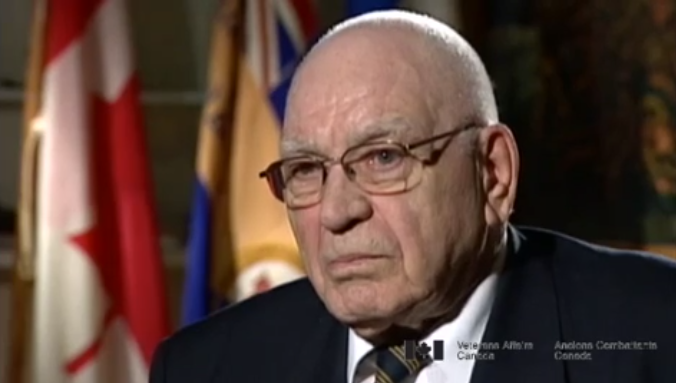
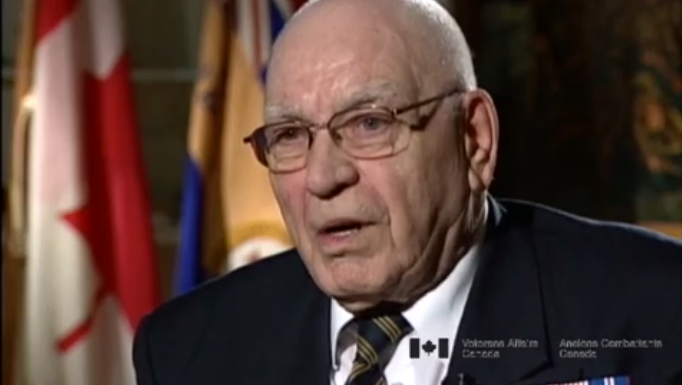
To set the example for Troop and Platoon Commanders, Mr. Gallant decided to tour the lines at night. In doing so, he helped a lot of soldiers.

Fred Gallant

Issu d’une famille acadienne de Mont-Carmel à l’Île-du-Prince-Édouard, M. Gallant s’engage dans l’armée et devient capitaine. Au cours des années soixante-dix et quatre-vingts, il sert deux fois à titre de Capitaine de batterie au sein de la Force des Nations Unies chargée du Maintien de la Paix à Chypre (UNFICYP). Ses méthodes de travail ont aidé plus d’un soldat et sauvé la vie aux siens ainsi qu’à plusieurs Turques et Grecs. Des années plus tard, en tant que major cette fois-ci, il est nommé Observateur militaire des Nations Unies au sein de l’Organisme des Nations Unies chargé de la Surveillance de la Trêve (ONUST) au Moyen-Orient. M. Gallant a des histoires fascinantes à raconter.

Transcription

The CO and myself at the time, the CO or my boss, was Ken Sparling and we decided that what we would do as “BC” and “BK” we would tour the line twice a week. He would do it twice and I would do it twice at night and this would also give service an example to the platoon commanders or troop commanders to get on the line and be with their soldiers. To do a line tour at night took about four hours. So we’d do our day job and then around seven to ten o’clock we’d head out and it could be from 10 to two or three in the morning we’d be on the line talking to the soldiers and visiting each site and I did that for the six months. I was two nights a week I’d be on the line visiting with soldiers, listening to their problems, and talking to them and it was an amazing experience and it made time fly. It caused a bit of problems at time with their platoon commanders because I knew sometimes more information because there’s nothing better than be sitting down having a cup of coffee at 2:30 in the morning to get a young soldier to talk and tell about his problems and you’d come out of there and say, “Did you know that his mom and dad, he hasn’t heard a word from them in the last three months or whatever? Get hold of the padre and get hold of his parish priest down home and find out what, if there’s a problem.” And that type of thing and that would work. And then you’d get the news back and reassure the young soldier. To me that was the most fulfilling part of the job was providing what I think was a support to the soldiers that they don’t normally get because not every CO or Deputy Commander goes on the line at night on a consistent basis.

Catégories