Description
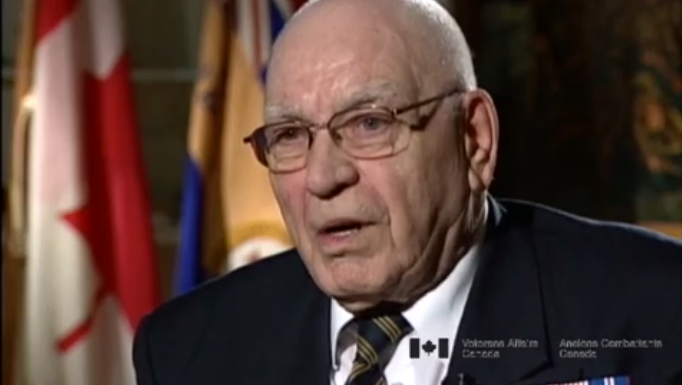
Mr. Gallant discusses the main goal of the mission in Cyprus which was to maintain the peace between the Turks and the Greeks.
Fred Gallant
Issu d’une famille acadienne de Mont-Carmel à l’Île-du-Prince-Édouard, M. Gallant s’engage dans l’armée et devient capitaine. Au cours des années soixante-dix et quatre-vingts, il sert deux fois à titre de Capitaine de batterie au sein de la Force des Nations Unies chargée du Maintien de la Paix à Chypre (UNFICYP). Ses méthodes de travail ont aidé plus d’un soldat et sauvé la vie aux siens ainsi qu’à plusieurs Turques et Grecs. Des années plus tard, en tant que major cette fois-ci, il est nommé Observateur militaire des Nations Unies au sein de l’Organisme des Nations Unies chargé de la Surveillance de la Trêve (ONUST) au Moyen-Orient. M. Gallant a des histoires fascinantes à raconter.
Transcription
Interviewer: Correct me if I’m wrong, but at that time our soldiers were not allowed to fire back. They were there to keep the peace.They were there to keep the peace. The only time you were authorized to fire back was if you were in imminent danger and they were actually firing at you. We have examples of that, the previous year in ‘74 when the insurrection came out. Like, a friend of mine, Norm LeClair, was shot while he was over there and they shot back and to extract him out of there and so on. So you could, if your life was in imminent danger, but you really had to justify if you ever opened up. None of our soldiers ever did in my unit while we were there.Interviewer: How does someone cope with that? Like, how do you balance your training, your professionalism and yet what’s going on around you is very difficult to understand? It’s pushed into you before you go that you’re not there as, there’s no enemy. You’re there to provide assistance to both sides to keep them from killing each other and that is something that takes a while to sort of set your mind around because you try to be as friendly to both sides as you can be and then, Cyprus it was easier to be friendly with the Greeks but yet they were more, less disciplined than the Turks and you’d go to the side of the Turks and they treated you fairly and everything else but they were more reserved. But yet, both sides hated the other side.Interviewer: And the main purpose in you being there was to keep the parties at peace.To maintain the peace, yeah. To keep them apart and allow them to calm down and try to get the talks going again, and it took a while but the talks started going. And when I was there on my second tour the talks were going, ongoing, even though very little progress was made. At least while they’re talking, they’re not shooting at each other. Interviewer: So would you say that your purpose for being there was accomplished? I think it was because for every successful tour that you’ve had there, and that the war didn’t break out again, I think for humanity it was certainly an accomplishment because there’d be one less grieving family, one less person killed. And I mean each individual is important.