Description
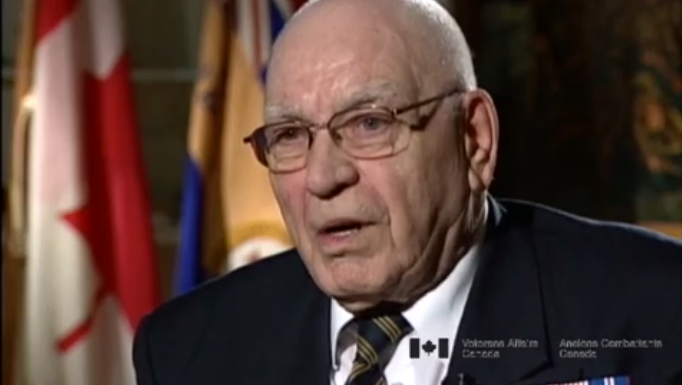
While serving as a UN Military Observer in the Middle East, the Gulf War began and Mr. Gallant was asked to attend a town meeting in Naqoura, Lebanon, in order to reassure the people.
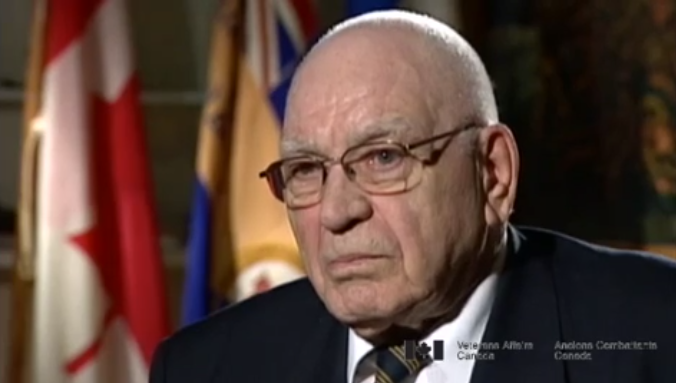
Fred Gallant
Issu d’une famille acadienne de Mont-Carmel à l’Île-du-Prince-Édouard, M. Gallant s’engage dans l’armée et devient capitaine. Au cours des années soixante-dix et quatre-vingts, il sert deux fois à titre de Capitaine de batterie au sein de la Force des Nations Unies chargée du Maintien de la Paix à Chypre (UNFICYP). Ses méthodes de travail ont aidé plus d’un soldat et sauvé la vie aux siens ainsi qu’à plusieurs Turques et Grecs. Des années plus tard, en tant que major cette fois-ci, il est nommé Observateur militaire des Nations Unies au sein de l’Organisme des Nations Unies chargé de la Surveillance de la Trêve (ONUST) au Moyen-Orient. M. Gallant a des histoires fascinantes à raconter.
Transcription
I got a call from UN headquarters, report to Naqoura, there’s a meeting there and they want you in representation, so my partner was a Swiss officer and he and I drove down there and there was a meeting going on. There was 250 Arabs in a mosque and the Mukhtar of the village and the police chief saw us come in and came and let us in and sat us down in a seat in front of all the others and then the Mukhtar started speaking in French addressing, thanking us for coming and thanking the UN for all the service it had done and on and on. All this is being video taped. And then he said, “Gentleman, the floor is yours.” A shocked expression I guess came on our face and my partner said, “Fred, you speak to them, you speak better French than I do.” So I went and addressed them and thanked them very much for the warm words they had expressed and said we are quite happy as a UN to be there to assist them in what way we could. And he said, “Well, what we’re concerned with is what is going to happen if gas is fired or the scuds hit Lebanon with gas and poison.” You know, and I said, then I started explaining. I said, told them what they could do because obviously they had no gas mask. Everybody in Israel had gas masks but the Lebanese had no gas masks and I told them gas goes to the bottom so if anything happens head for the hills because that’d be your safest spot and try to make your room sealed in your house. Like have a sealed room if anything happens go in there, but it went to a question and answer period in which the questions would be asked in Arabic, translated into French by the Mukhtar, I’d answer in french, he’d translate back in Arabic and that went on for 45 minutes so it was, it was quite interesting, and a little tense I suppose if you’re thinking of the situation.