Attention!
Cette vidéo est disponible en anglais seulement.
Description
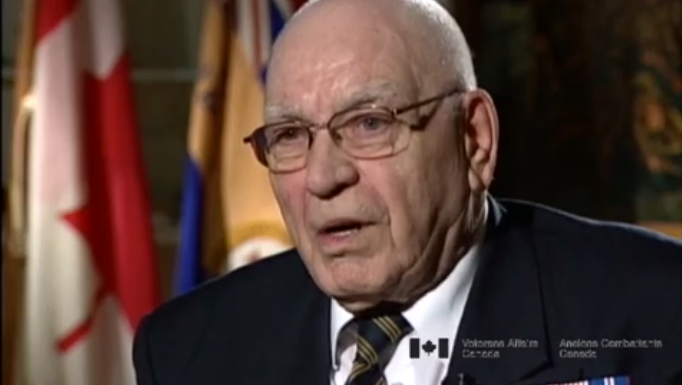
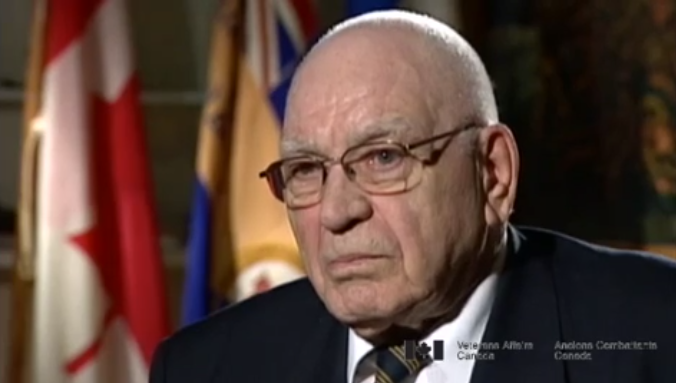
After experiencing military life as an infantry man, Mr. Palmer tells of his decision to change paths and serve with the Intelligence Branch.
Transcription
I had finished with the Airborne Regiment in ’95 when we were disbanded. I was still keen to serve so I ended up being transferred like everyone did from the regiment to our home, our parent units which would have been the RCR for me, the Royal Canadian Regiment. So I was transferred to 1 RCR where I served about eighteen more months before realizing that, while I really liked the military, I didn’t really like being an infantry man anymore. I think that garrison routine and sort of the post Somalia experience wore me down a bit and I wanted a change but I didn’t want to leave the military. So I transferred to the Intelligence trade in 1997. So I was retrained as a corporal in the Intelligence Branch in Borden in 1997 and then transferred to Kingston, Ontario where I found myself as an Intelligence Operator with electronic warfare squadron so I became an NTOP with an EW Unit which was totally different from what I was doing or what I thought would be totally different from what I was doing as an infanteer and in 1998, summer of ’98 we were deployed to Bosnia to support the Canadian contingent of the NATO security forces at the time and I was based in Coralici in northwestern Bosnia for six months. We were there to provide security for the entire force and we would do what was called over watch or electronic surveillance much as someone would do with a pair of binoculars or they would be doing an observation post so whenever our forces were deploying to an area where they would be searching a containment site or conducting an operation, security sweep, or any operation that involved the number of Canadian soldiers or soldiers from other nations that were working with us, we would basically set up listening posts and we would monitor the communications of the police from a security standpoint because it was the best way to get information if there was going to be a problem so we did that just to assure that our troops were safe because if the local police got a heads up that there was a disturbance or there was a person in the area of concern then we would get that information, you know, faster than what we would have done through our liaison officer working in police headquarters. And also we were employed on occasion when the military, the Bosnian military was being trained. That would give us a good indication on how well they were progressing through their training so that was our job for about six months.
Catégories
From Infantry to Intelligence
Médium
Video
Propriétaire
Veterans Affairs Canada
Guerre ou mission
Forces armées canadiennes
Emplacement géographique
Somalia
Personne interviewée
Phil Palmer
Branche
Armée
Military Rank
Caporal
Date d’enregistrement
Durée
3:37