
Objectives
- Demonstrate an understanding of the important caribou symbol for Newfoundlanders for remembering and honouring those who served in the First World War,
- Demonstrate an appreciation of the importance that war memorials have in helping Canadians honour the sacrifices and achievements of our Veterans and war dead, and
- Using the fast facts, the poster, the information about the Caribou Trail and the image gallery, youth will work as a group to educate their peers about the caribou symbolism in memory of those who fought at Beaumont-Hamel and the Battle of the Somme 100 years ago.
Tasks
Read and discuss as a group
View poster
After reading, look at the Beaumont-Hamel Newfoundland Memorial poster as a group. What are your immediate impressions of the poster? Does anything catch your eye? How does the poster make you feel? What message is it trying to communicate? What is symbolic? Why is it important to create and maintain memorials like the one in Beaumont-Hamel?
View image gallery
Next, look through the image gallery below to see the Trail of the Caribou in France, Belgium and Newfoundland. It is a special caribou trail of remembrance. The caribou is an important symbol to the people of Newfoundland and Labrador. They are native animals there and can be found on the cap badges, hockey sweaters and even street signs. You may wish to visit the VAC website for more information on the Caribou Trail in France and Belgium.
Prepare your presentation
After reviewing the photos and the poster, as a group, develop your own poster or slideshow about the Caribou Trail and the caribou symbolism to share with your classmates. You could possibly create a word cloud. The caribou is the emblem for the Royal Newfoundland Regiment. You might discuss and describe what a memorial from your town or province/territory might look like based on important symbols from your area. Share your slide show and word cloud with your classmates.
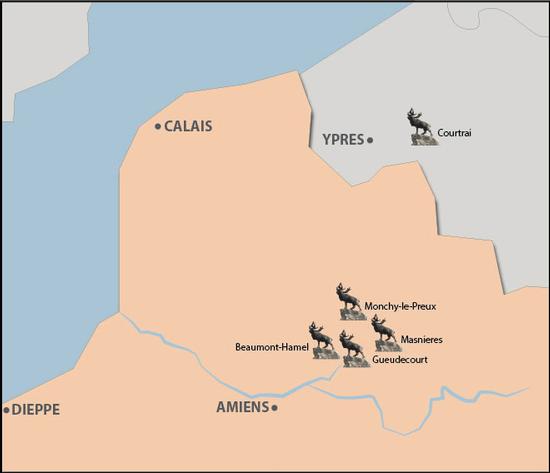
After the war, the people and Government of Newfoundland built memorials in France and Belgium where the Regiment fought to symbolize the determination of its soldiers, many of which did not come home. Five monuments were constructed in the form of the caribou, an animal native and familiar to all in Newfoundland and Labrador, and which was the emblem used in the cap badge of the Regiment. Newfoundland was the only British dominion to place numerous memorials to its fallen soldiers. Later, a sixth caribou was placed in Bowring Park in St. John’s Newfoundland.
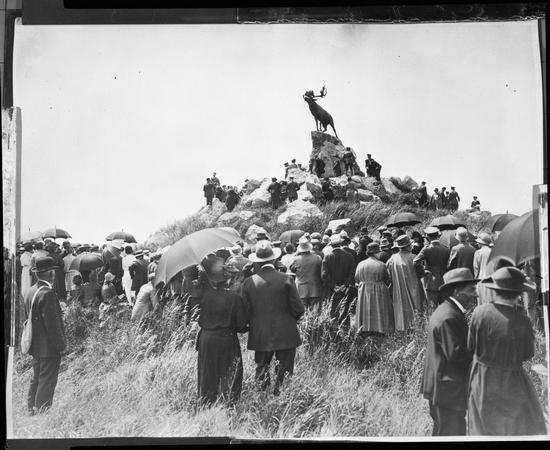
The Beaumont-Hamel Newfoundland Memorial was dedicated to the memory of those Newfoundlanders who served during the First World War and specifically commemorates those who died and who have no known grave. The memorial site was opened June 7, 1925, by Earl Haig.
Photo: The Rooms Provincial Archives Division, NA 3106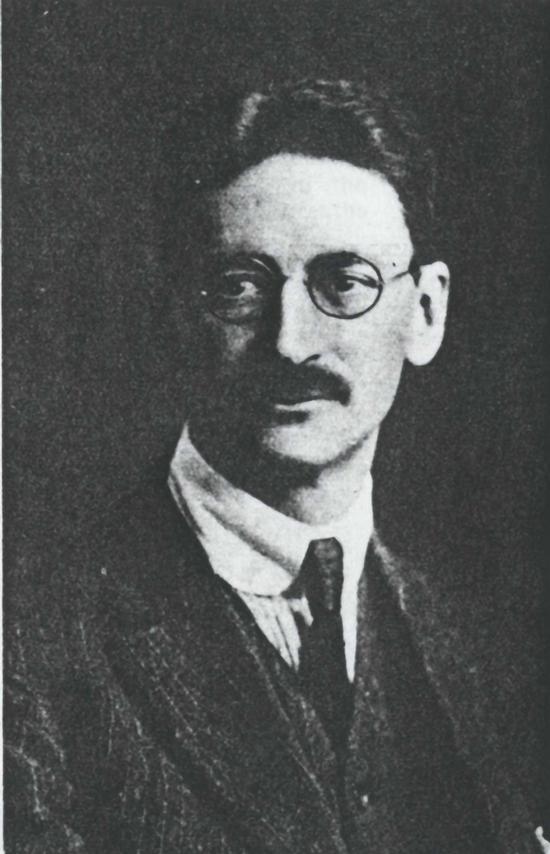
R.H.K. Cochius, originally from Holland, then living in Newfoundland, was the landscape architect for the site design.
Photo: The Veteran 4.1 (1924): 17. Memorial University's Digital Archives Initiative (DAI)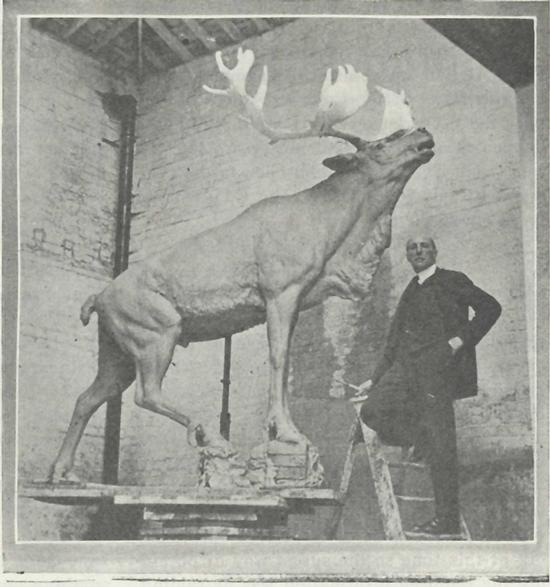
Basil Gotto, a sculptor from England, created the bronze caribou monument.
Photo: The Veteran 1.3 (1921): 34. Memorial University's Digital Archives Initiative (DAI)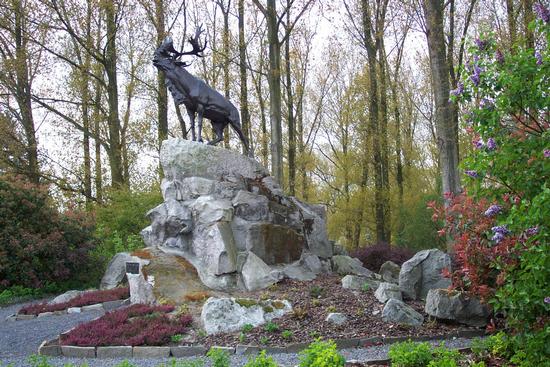
Courtrai Newfoundland Memorial The Courtrai Newfoundland Memorial in Belgium is the only caribou memorial in Belgium. In his rocky eminence, the stag commemorates the Royal Newfoundland Regiment's crossing of the Lys River under British divisional command. Visitors can see the bullet marks pitting the base of the Memorial—a tragic reminder of the Regiment's final advance of the war.
Photo: Veterans Affairs Canada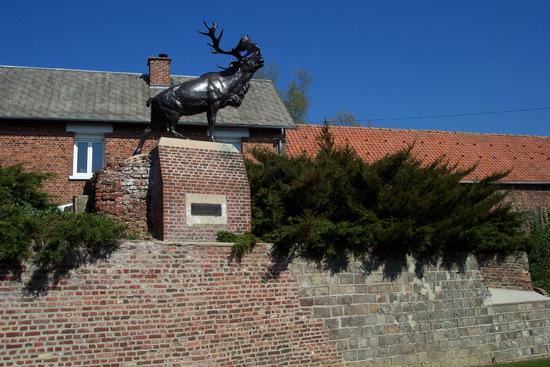
Monchy-le-Preux Newfoundland Memorial At the eastern edge of the village of Arras, France, is the caribou of the Monchy-le-Preux Newfoundland Memorial standing erect upon the ruins of a German strongpoint, gazing proudly toward Infantry Hill, where a handful of gallant Newfounlanders held off massive German counter-attacks on April 14, 1917.
Photo: Veterans Affairs Canada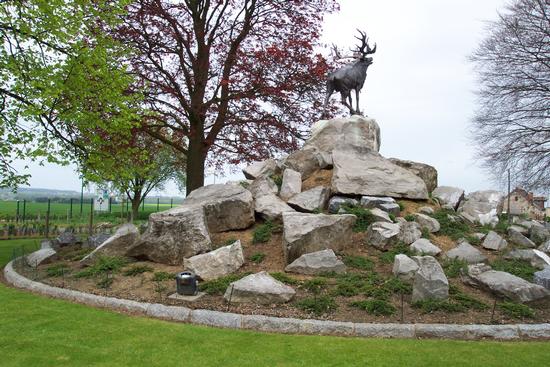
Masnières Newfoundland Memorial ”The story of the defence of Masnières and of the part which the Newfoundland Battalion played in it is one which, I trust, will never be forgotten on our side of the Atlantic.” With these words, Field Marshal Sir Douglas Haig paid tribute to the ”high courage and unfailing resolution” of all ranks of the Newfoundland Regiment who had fought under his command at the Battle of Cambrai, 1917. This was the achievement commemorated by the great bronze caribou, which stands on a rocky base just outside the village of Masnières, over half a kilometre north of the St. Quentin canal.
Photo: Veterans Affairs Canada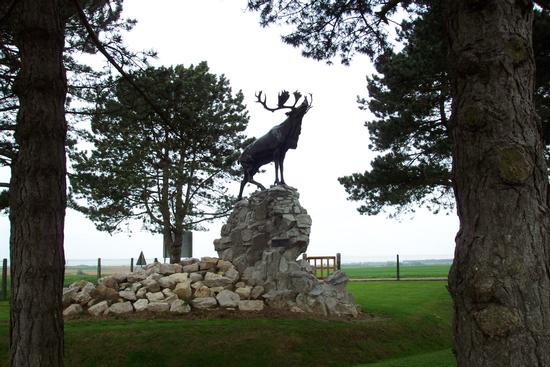
Gueudecourt Newfoundland Memorial Just north east of Gueudecourt, France, is the Gueudecourt Newfoundland Memorial. The bronze caribou stag erected by the Newfoundland Government stands in a small battlefield park on a low rise. It marks the spot where, in October 1916, the Newfoundlanders played a decisive role in the capture of a German strong-point named Rainbow Trench, thus wiping out the sting of the Battle of Beaumont-Hamel.
Photo: Veterans Affairs Canada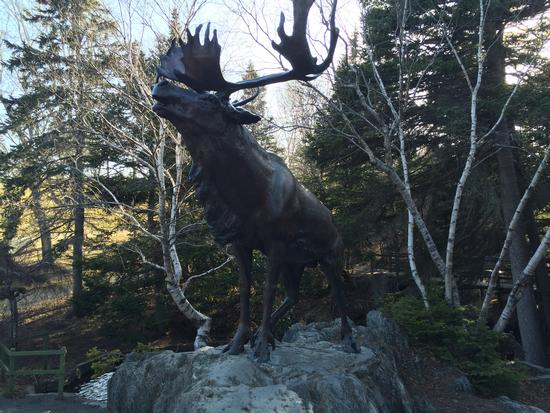
Bowring Park, Newfoundland Located in Bowring Park, in St. John’s, Newfoundland, the caribou monument was unveiled on July 1, 1928. The caribou was the official emblem of the Royal Newfoundland Regiment.
Photo: Veterans Affairs Canada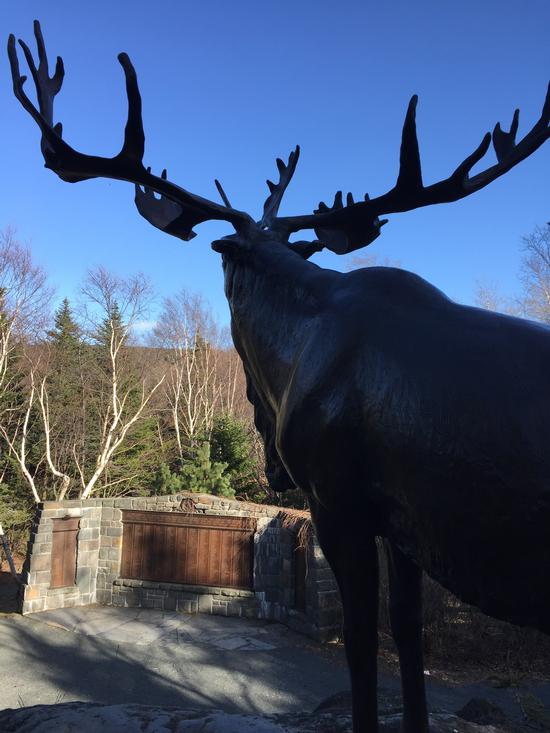
At Bowring Park, near the caribou monument are exact replicas of the plaques that exist in France, listing the names of 820 Newfoundland soldiers, seaman and sailors who died in the First World War and have no known graves.
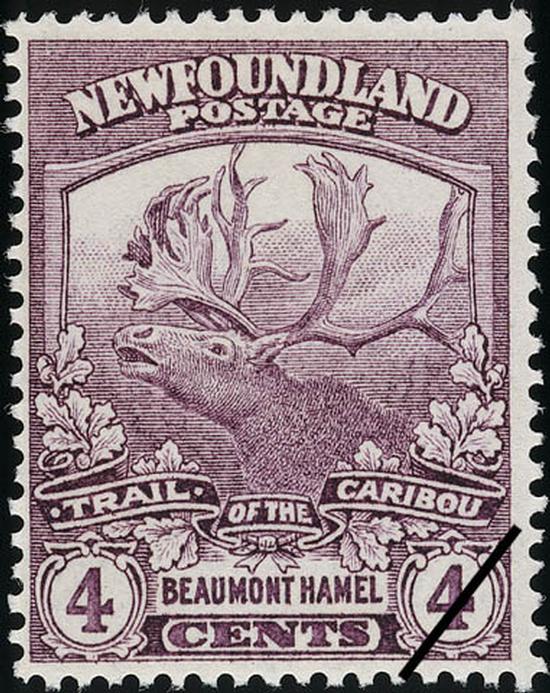
This was a Trail of the Caribou postage stamp issued in 1919 by Newfoundland postage.
Photo: Library and Archives Canada; Copyright: Canada Post Corporation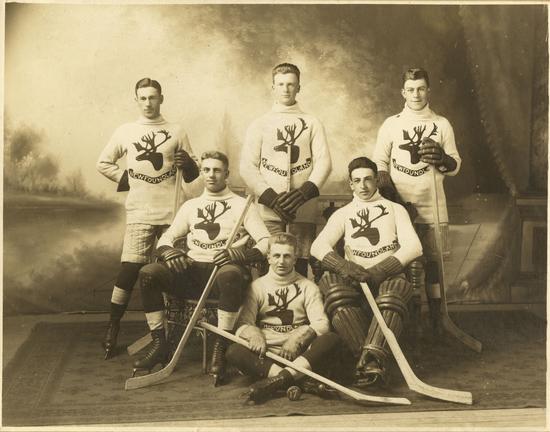
During the First World War, the caribou emblem could also be found on hockey sweaters and special pins that were sold at home to raise money to help the soldiers overseas. Royal Newfoundland Regiment Hockey Team 1917
Photo: The Rooms Provincial Archives Division, SANL 1.26.01.074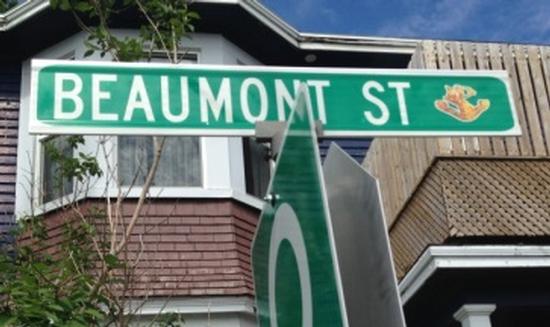
Caribou could also be seen engraved on the headstones of Newfoundlanders who died and on bronze memorial plaques. This tradition continues today as a recent project saw the Royal Newfoundland Regiment caribou added to more than three dozen street signs in St. John’s, Newfoundland and Labrador’s capital city.

Royal Newfoundland Regiment Badge Photo: © Canadian Forces DHH, DND
Station 2: Image gallery – Caribous