
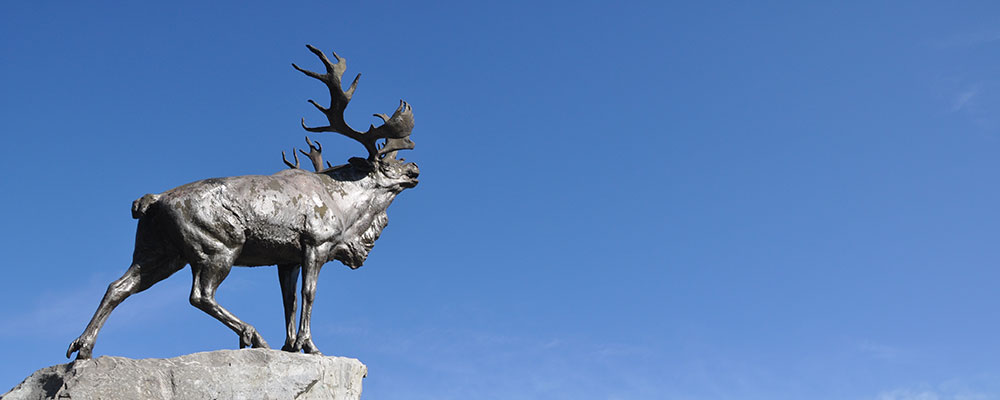
The Beaumont-Hamel Newfoundland Memorial honours all Newfoundlanders who served during the First World War and those lost with no known grave. It is located at the site of the Battle of the Beaumont-Hamel.
Standing watch
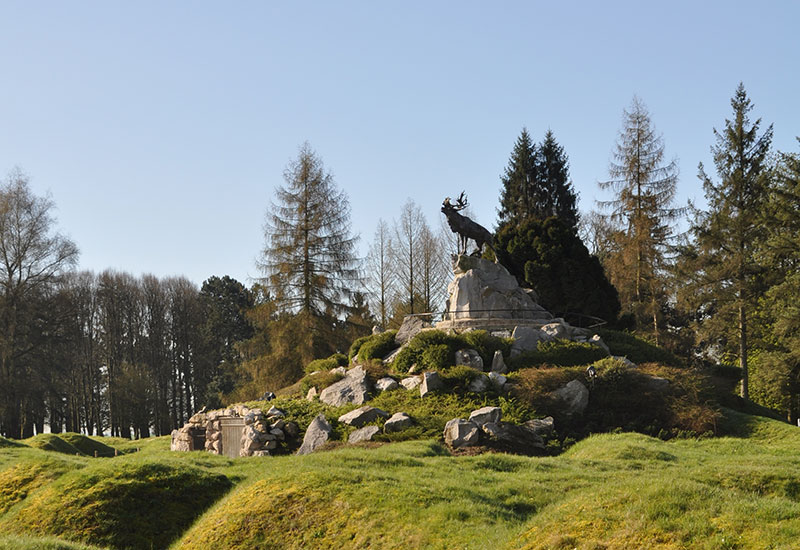
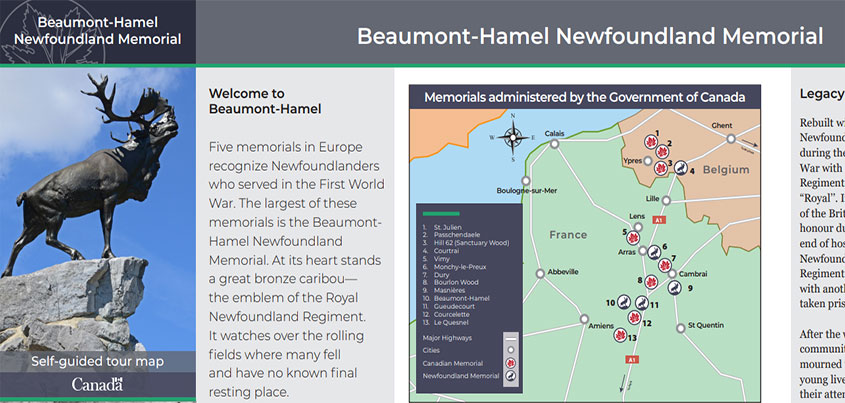
At the heart of the memorial stands a great bronze caribou (the emblem of the Royal Newfoundland Regiment). Its defiant gaze forever fixed toward its former foe, the caribou stands watch over rolling fields that still lay claim to the many men with no known final resting place.
Battle of Beaumont-Hamel
Most Canadians know July 1st as Canada Day. However, in Newfoundland and Labrador, July 1st has an additional and more solemn meaning – it is also known as Memorial Day to remember the anniversary of the Battle of Beaumont-Hamel.
The Allied plan for 1916 was to make the "Big Push," and the Somme was chosen as the site for a joint French and British assault.
It would be on the first day of the Battle of the Somme—near the village of Beaumont-Hamel in northern France—that the Newfoundland Regiment would enter the action.
The battlefield site at Beaumont-Hamel was an obvious choice for a monument as it was a defining moment in Newfoundland history and remains an enduring symbol of the province’s First World War experience.
Did you know?
Newfoundland didn't join Canada until 1949. As a result, Newfoundlanders serving in the First and Second World Wars did so on behalf of the Dominion of Newfoundland as part of the British Commonwealth.
Design and construction
Commemorative efforts in Newfoundland were led by Lieutenant-Colonel Father Thomas Nangle, Newfoundland’s representative on the Imperial War Graves Commission. In July 1919, he was given the responsibility of overseeing the design and construction of each memorial.
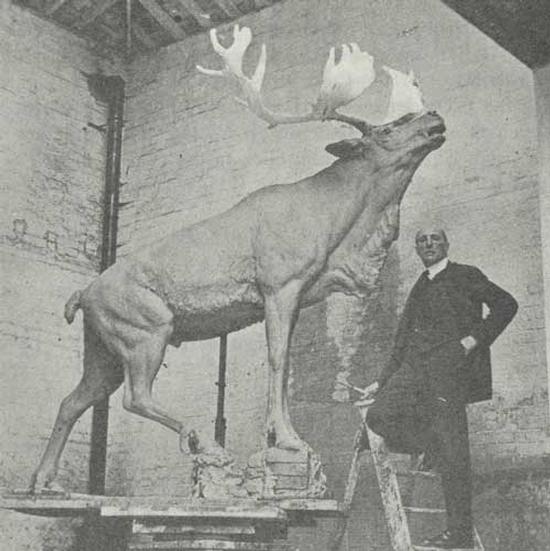
The memorial design, featuring a distinctive bronze caribou, submitted by British sculptor Captain Basil Gotto, was selected from among the proposals submitted.
Rudolph Cochius was selected as landscape architect and supervised the design of all of Newfoundland’s overseas memorial sites, as well as Bowring Park in St. John’s.
He incorporated touches from home throughout his designs which include trees native to Newfoundland and Labrador (such as spruce, dogberry and juniper).
The Trail of the Caribou
Six caribou sculptures were cast in total, with one installed at each of Newfoundland’s then five battlefield memorials in France and Belgium and the sixth was installed in St. John’s, at Bowring Park.
In 2021, another battlefield memorial - the Gallipoli Newfoundland Memorial – was installed in Türkiye.
With a bronze Caribou featured at each site, these now six battlefield memorials in Europe are informally known as the Trail of the Caribou. Together they represent some of the most important moments in Newfoundland's First World War experience.
A place of honour
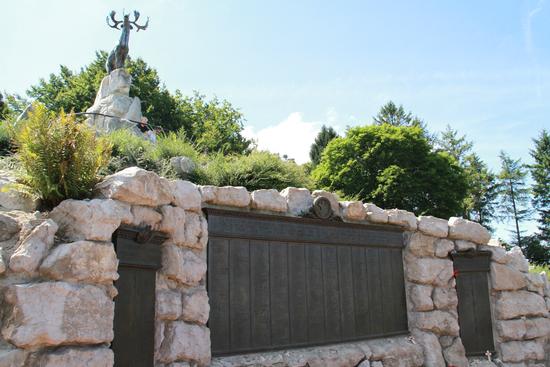
There are 821 names inscribed on three bronze tablets at the base of the monument in memory of Newfoundlanders who died during the First World War with no known grave.
The names include 592 members of the Royal Newfoundland Regiment, 114 sailors of the Newfoundland Royal Naval Reserve and 115 merchant mariners.
Unveiling and dedication
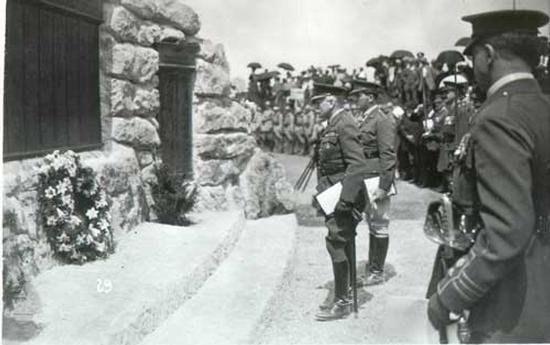
The Beaumont-Hamel Newfoundland Memorial was officially dedicated on 7 June 1925 by Field-Marshal Earl Douglas Haig. He was Commander of the British Expeditionary Force during the Battle of the Somme.
National Historic Site
The memorial was declared a National Historic Site in 1997 and is one of only two historic sites outside of Canada. The second is the Canadian National Vimy Memorial.
Other memorials on the site
The Danger Tree
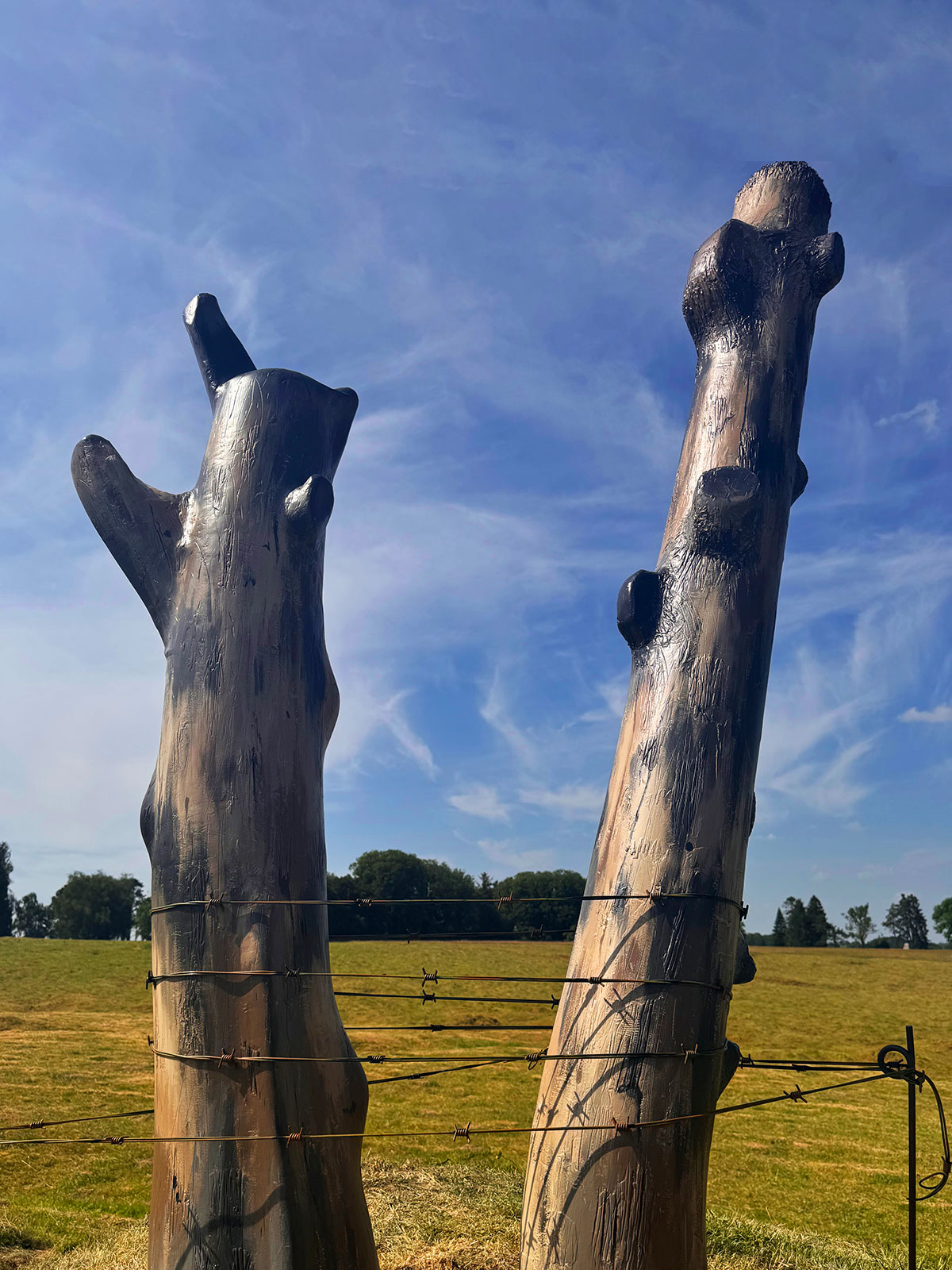
Located halfway across No Man’s Land, the Danger Tree marked an area of particularly heavy fire and the site of a high number of Newfoundland casualties.
Following the battle, the broken and twisted remains of the tree emerged as an important symbol of the scope and devastation of the fighting. The Danger Tree eventually decayed and has been replaced several times over the past 100 years. In 2026, Memorial University of Newfoundland created a Danger Tree replica based on historical images. It was installed on the site on June 30, 2026. This project was part of the activities marking the university’s centennial and the 110th anniversary of the Battles of the Somme and Beaumont-Hamel. The university was founded as a memorial to Newfoundlanders and Labradorians who served in the First World War. The Danger Tree replica continues to honour the sacrifice and enduring legacy of those who served at Beaumont-Hamel.

Monument to the 51st (Highland) Division
Unveiled in 1924, the 51st (Highland) Division monument at Beaumont-Hamel recognizes the Division’s capture of the Y Ravine and of both villages during November 1916’s Battle of the Ancre.
This battle was the last great offensive of the Battle of the Somme. A Gaelic plaque on the front of the monument reads La a’Blair s’math n Cairdean, which means “friends are good on the day of battle.”

Monument to the 29th Division
Monument to the 29th Division The Newfoundland Regiment served most of the First World War as part of the 29th Division’s 88th Brigade. Formed in early 1915, the 29th Division first saw action in the Gallipoli Campaign of that same year. They later saw action at the Battle of the Somme on the morning of 1 July 1916. On that day at Beaumont-Hamel, the Newfoundland soldiers wore the Division’s red triangle on their shoulders, as seen on the monument. They also wore the cap badges featuring the Regiment’s caribou emblem. The monument to the 29th Division
Cemeteries
Visit the memorial
In person
When you arrive, stop at the visitor centre. The staff can provide information on Canada and Newfoundland's role in the First World War and the many features of this important National Historic Site of Canada. Check the hours of operation.
Visitor information

Location
rue de l'église, D73
80300 Auchonvillers
France
Visitor centre
Check the bulletin board for the centre's hours of operation
and for any site notifications.
Watch a tour
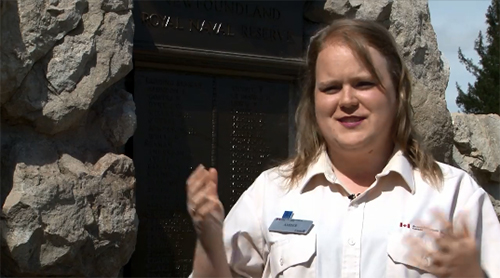
In this video, a student guide takes you on a quick tour of the site.
Virtual tour
Explore the memorial one step at a time, just like you would if you were there. Using its Street View technology, Google has filmed this important national historical site.
Related information
Building from memory
Constructing a Danger Tree replica for permanent installation in Beaumont-Hamel.
Fast facts
Discover interesting facts about the Beaumont-Hamel Newfoundland Memorial.
Forest conservation project
Learn more about this conservation project at Vimy and Beaumont-Hamel.
Visit memorials in Europe
Plan a visit to Canada's memorials in Europe.
Photo gallery
Historic and current photos of the Beaumont-Hamel Newfoundland Memorial
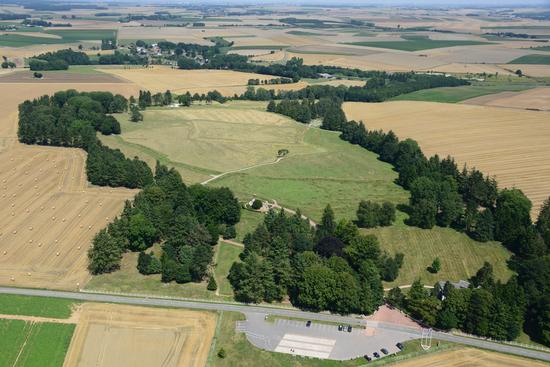
At 30 hectares the Beaumont-Hamel Newfoundland Memorial is the largest of five Newfoundland memorial sites in France and Belgium.
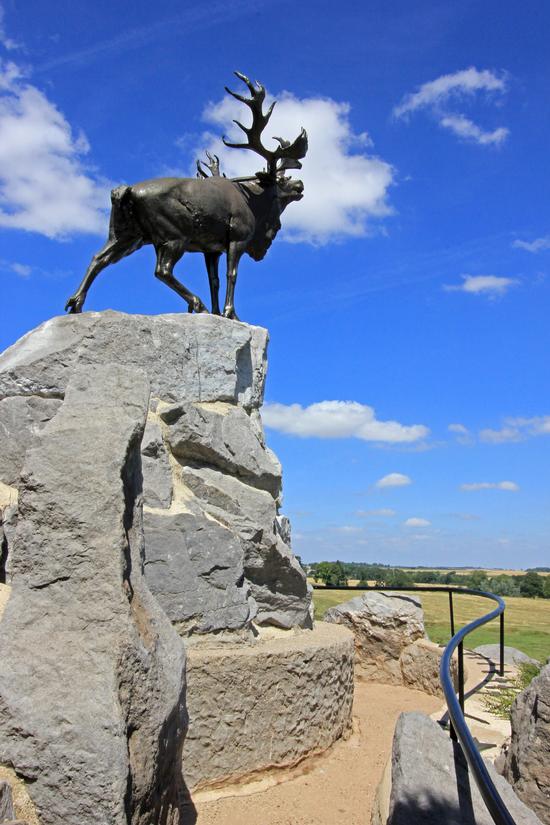
Head thrown defiantly back and eyes fixed on its former foe, the Caribou Monument at the Beaumont-Hamel Newfoundland Memorial stands watch over rolling fields that still lay claim to many men with no known final resting place.
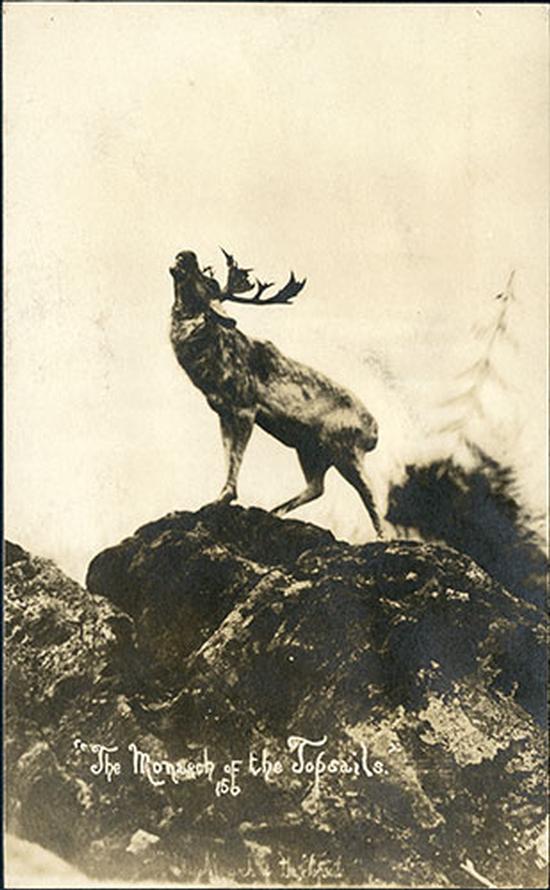
Sculptor Capt. Basil Gotto's caribou memorial design is believed to have been inspired in part by the iconic Newfoundland photograph 'The Monarch of the Topsails'. Photo : Courtesy of the Rooms Provincial Archives Division (A 68-82), St. John's, NL
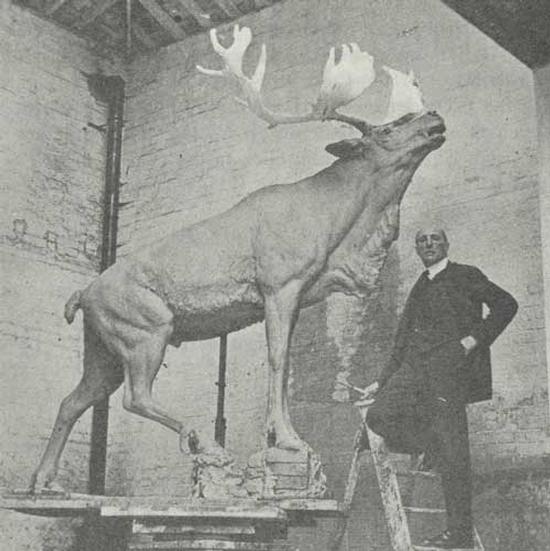
Captain Basil Gotto with his Caribou Sculpture, ca. 1921. Photo: The Veteran 1.3 (1921): 34.
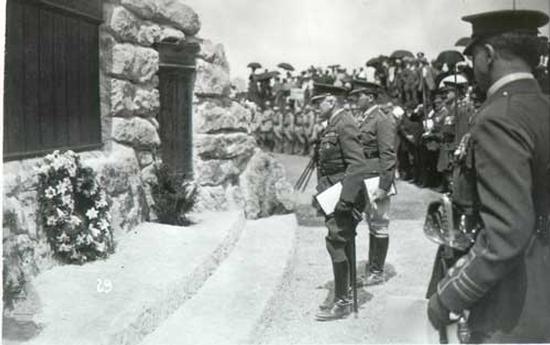
Field Marshal, Earl Douglas Haig and Lt. Col. Thomas Nangle lay wreaths at Opening of Beaumont-Hamel Newfoundland Memorial, June 7, 1925. Photo : The Rooms Provincial Archives Division (NA 31-03), St. John's, NL
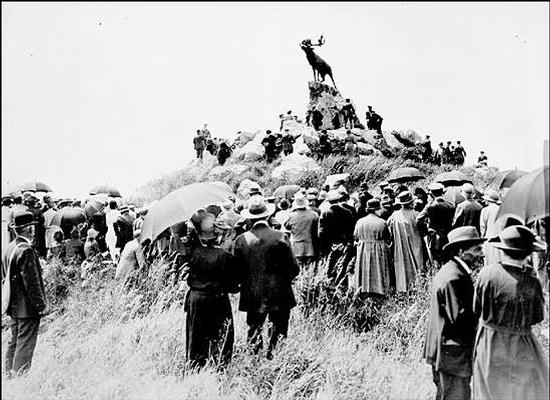
Opening of the Beaumont-Hamel Newfoundland Memorial, France, June 7, 1925. Photo: The Rooms Provincial Archives Division (NA 31-06), St. John's, NL
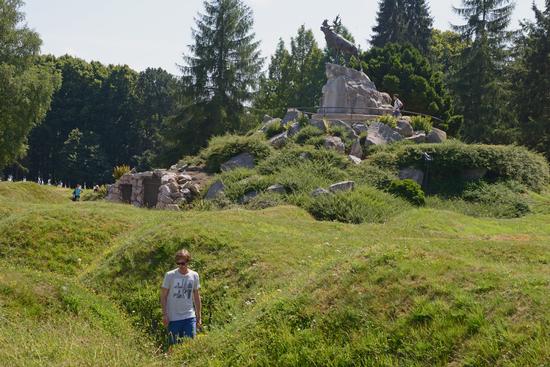
The Caribou Memorial today. Visible in the background are some of the more than 5,000 trees native to Newfoundland that were planted along the boundaries of the site before its opening in 1925.
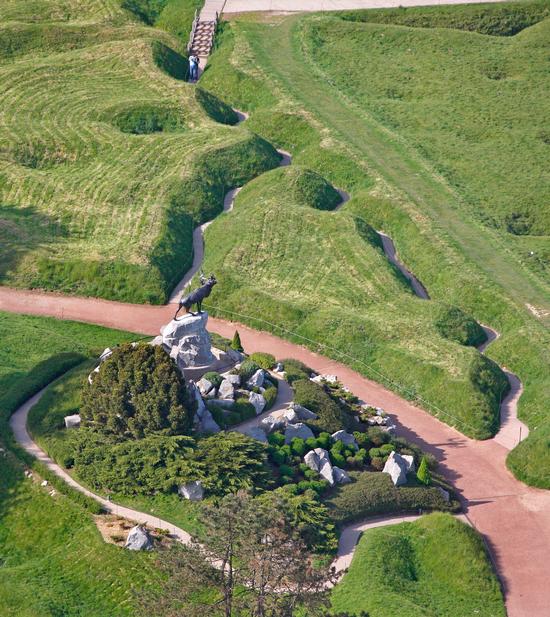
Caribou Monument as seen from above.
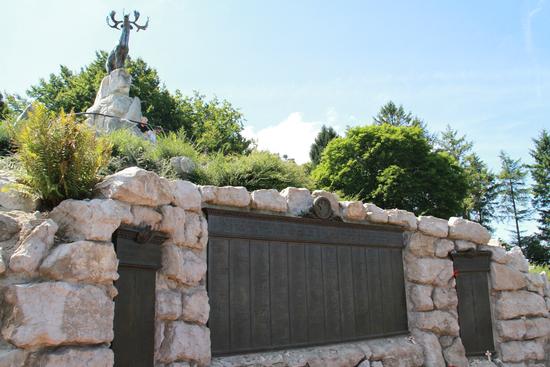
Plaques at the base of the Caribou Monument carry the names of some 820 members of the Royal Newfoundland Regiment, the Newfoundland Royal Naval Reserve and the Mercantile Marines who gave their lives in the First World War and whose final resting places were then unknown.
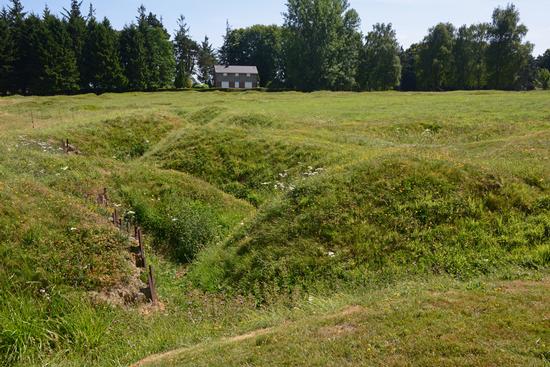
The Beaumont-Hamel Newfoundland Memorial remains one of the only places visitors can view preserved trench lines like those pictured here.
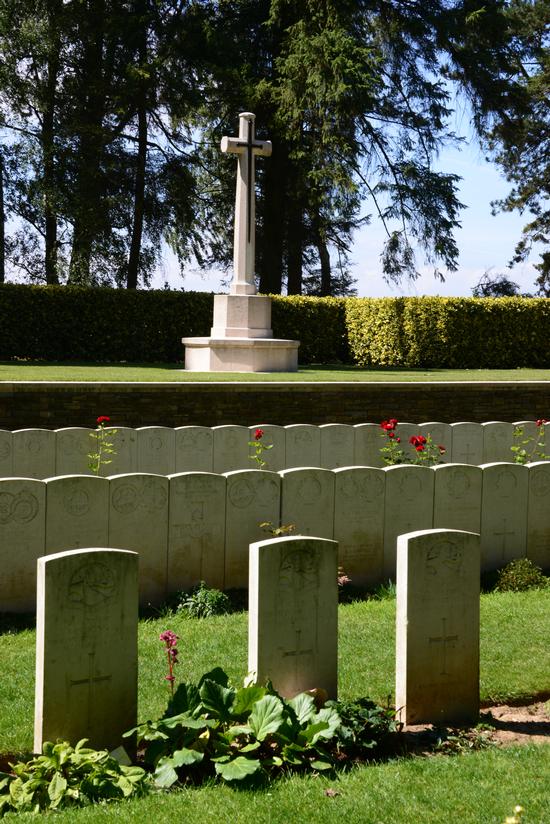
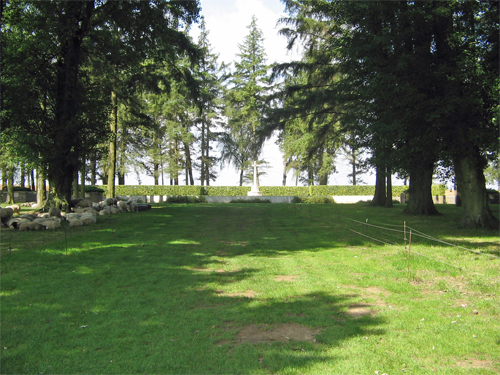
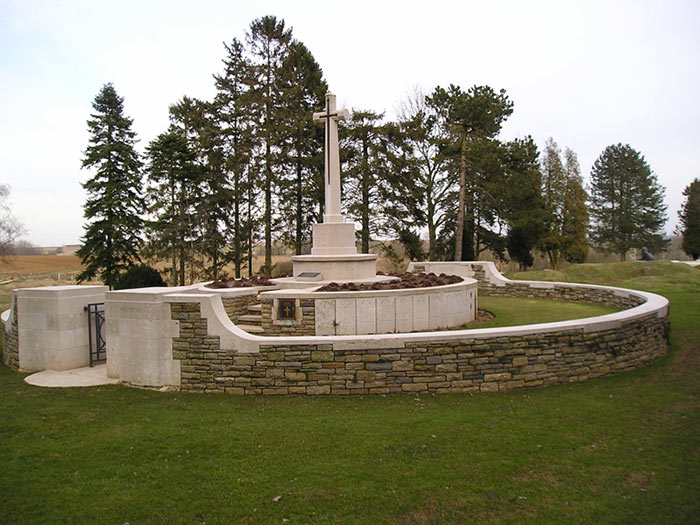
More than 200 First World War casualties are buried at Hawthorn Ridge Cemetery No. 2.
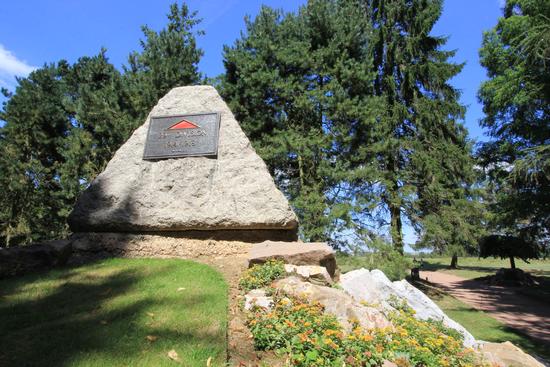
On July 1, 1916, the Newfoundland Regiment formed part of the 88th Brigade of the 29th Division. The 29th Division Monument at the Beaumont-Hamel Newfoundland Memorial reflects the shape of the red triangle worn on division shoulder patches to identify its members.
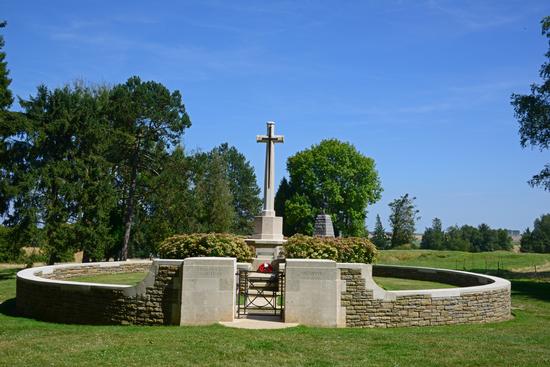
Hunter's Cemetery is the final resting place for 40 members of the 51st (Highland) Division who fell at Beaumont-Hamel and were buried together in a communal grave formed from a large shell-hole.
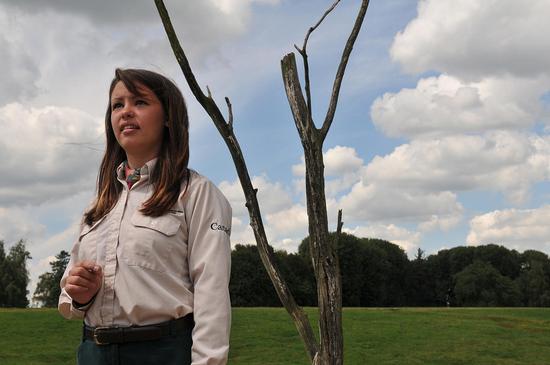
Canadian Student Guide Shaundel Leamon, stands near the “danger tree” at the Beaumont-Hamel Newfoundland Memorial. This gnarled tree was nicknamed the “danger tree” by the Newfoundland troops as it marked the spot where many of them fell.
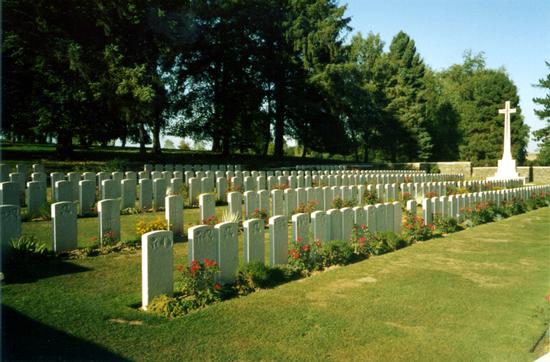
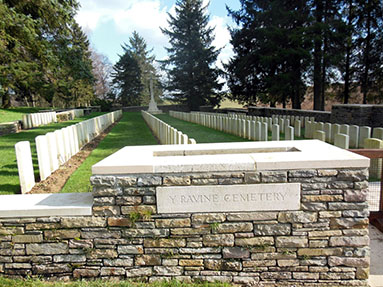
Over 400 First World War casualties rest in Y-Ravine Cemetery.
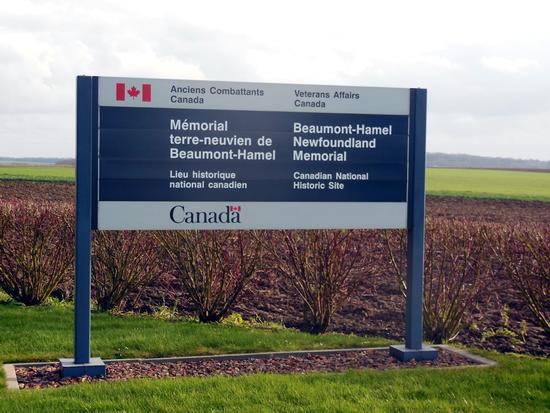
Welcome to the Beaumont-Hamel Newfoundland Memorial.
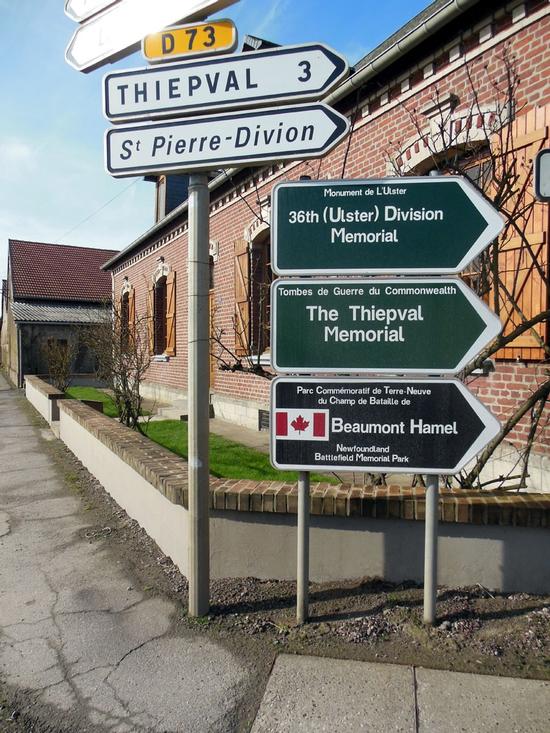
Follow the signs toward Beaumont-Hamel Newfoundland Memorial.
Photos of the Beaumont-Hamel Newfoundland Memorial