
Profile image

Military service
Service number:
172238
Age:
19
Rank:
Private
Force:
Army
Unit/Regiment:
5th Canadian Mounted Rifles (Quebec Regiment)
Birth:
January 19, 1897
Death:
September 15, 1916
Burial/memorial information
Digital gallery of Private John Mash
-
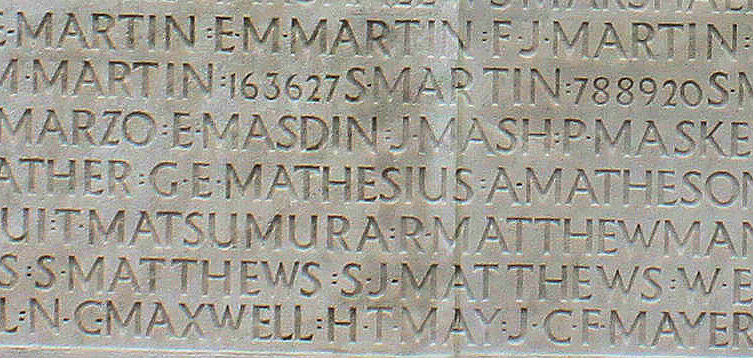
Inscription
His name as it is inscribed on the Vimy Memorial (2010). Over 11,000 fallen Canadians having no known place of burial in France, are honoured on this Memorial. May they never be forgotten. (J. Stephens) -
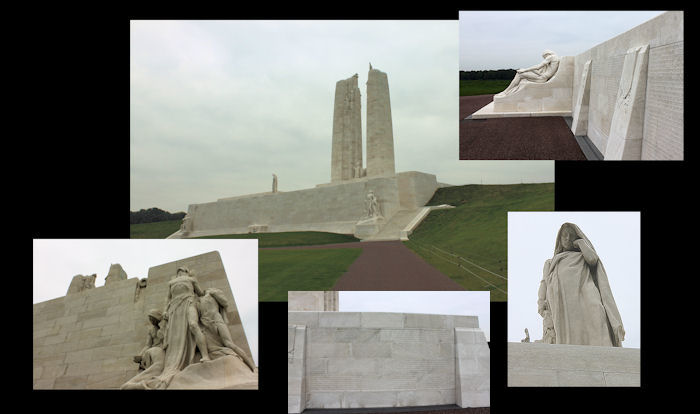
Vimy Memorial
Canada's Vimy Memorial, located approximately 8 kilometres to the north-east of Arras, France. May the sacrifice of so many never be forgotten. (J. Stephens) -
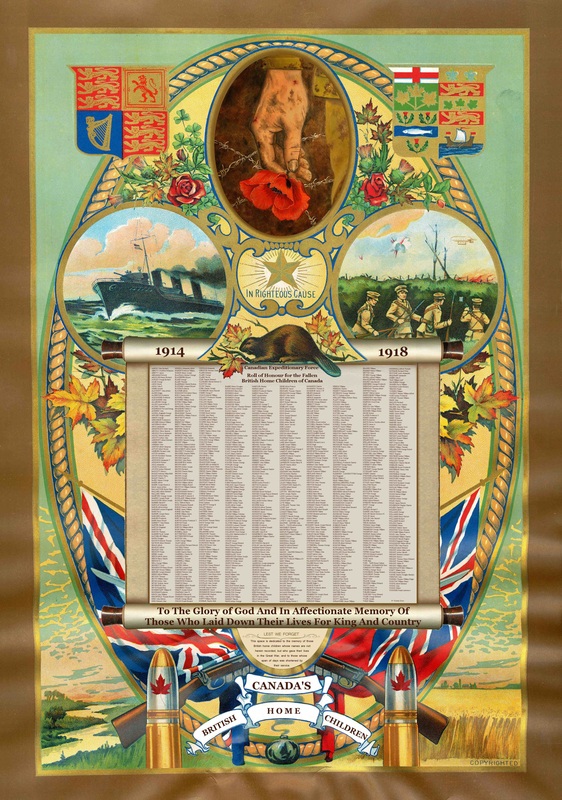
Honour roll
British Home Children World War 1 Honour Roll -
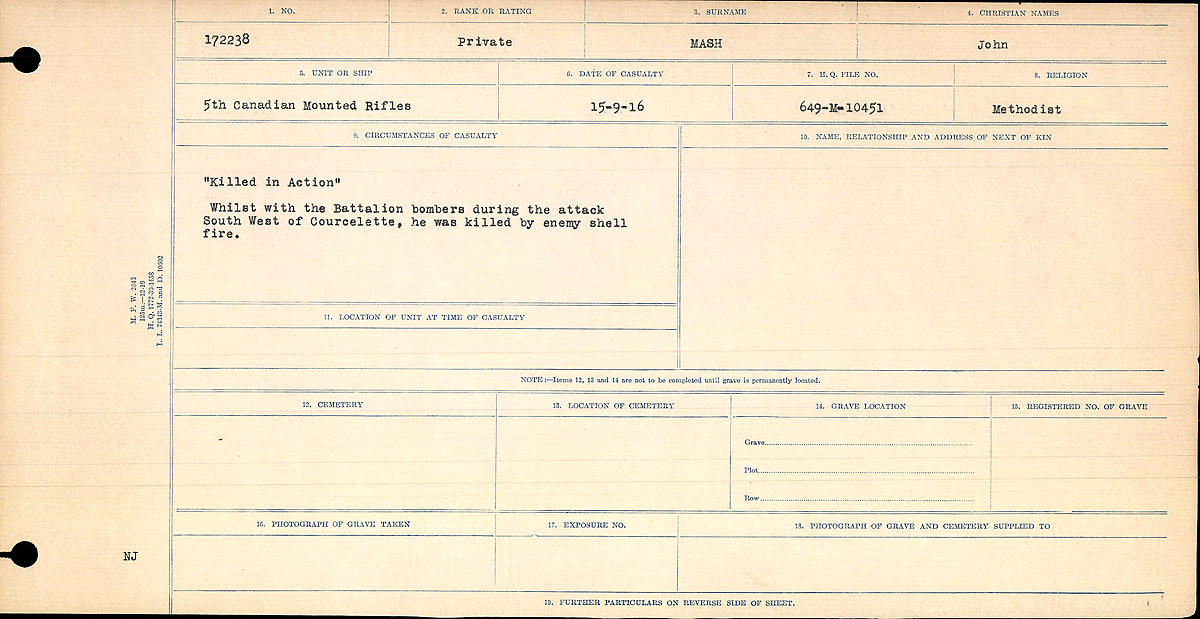
Circumstances of death registers
-
Memorial
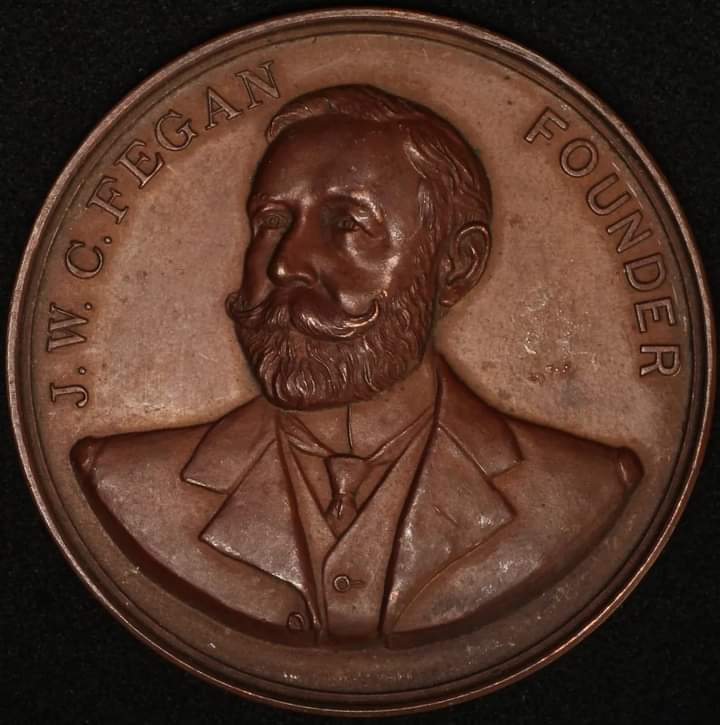
GREAT BRITAIN / Canada J. W. C. Fegan - Mr Fegan's Homes 54mm bronze medal 70.17 grams Obverse: Mr Fegan looking to the left, J. W. C. Fegan Founder James William Condell Fegan (1852 – 1925) was an English Nonconformist evangelist and the founder of a succession of orphanages for boys. His first home opened in 1872, and he was to become a friendly rival to Thomas John Barnardo. Later in the 1880s, emigration to other parts of the British Empire was being encouraged, and in 1884, Fegan took ten boys—and then fifty more—to Canada in 1884. A "distributing home" was given to him in Toronto, and from there annual parties of boys were sent to farms in various parts of the country.
Digital gallery of
Private John Mash
Digital gallery of
Private John Mash
Digital gallery of
Private John Mash
Digital gallery of
Private John Mash
Digital gallery of
Private John Mash
In the Books of Remembrance
Commemorated on:
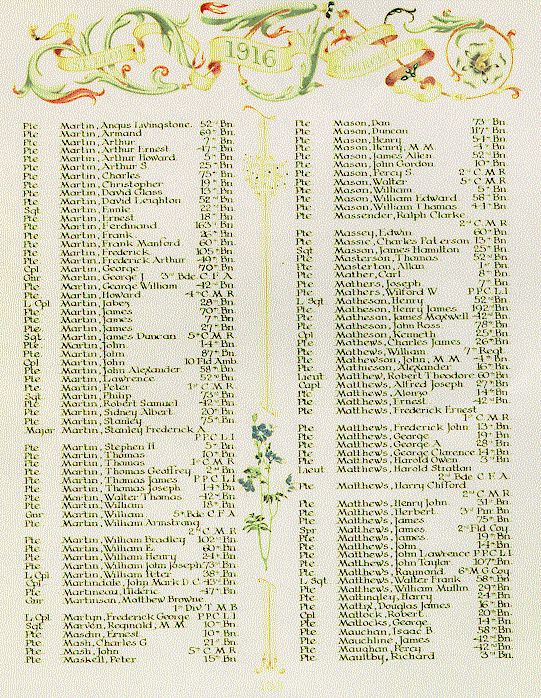
Page 133 of the First World War Book of Remembrance.
Request this page
Download this page
The Poppy Design is a trademark of The Royal Canadian Legion (Dominion Command) and is used with permission. Click here to learn more about the poppy.
Did we miss something?
Contribute information to this commemorative page
Do you have photographs, information or a correction relating to this individual’s virtual memorial? Learn more about the CVWM and the information we collect.