
Military service
Burial/memorial information
Digital gallery of Flying Officer Kenneth Earle Warner
-
Panel
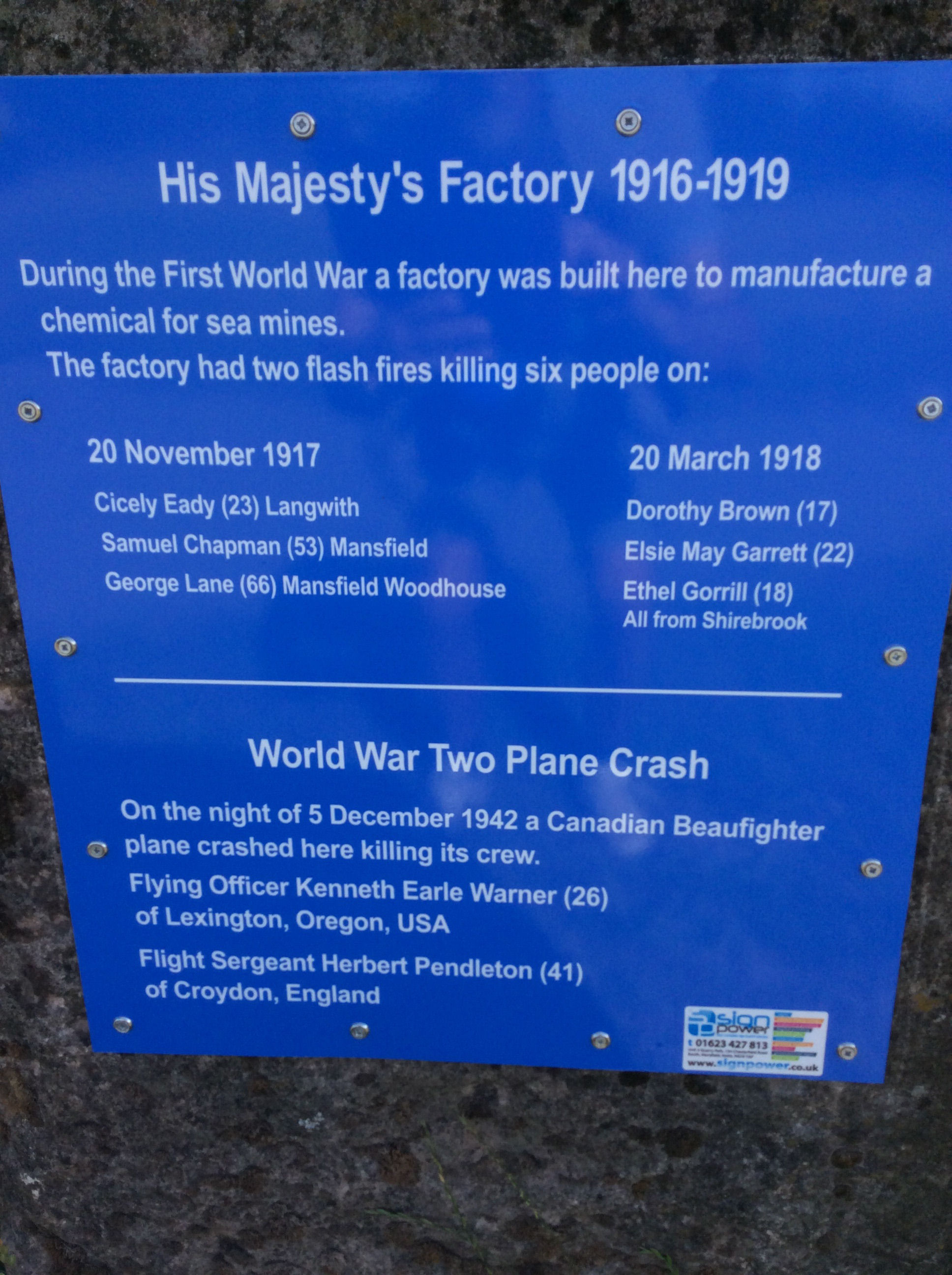
This is the information placed on stone in Poulter Country Park where Flying Officer Kenneth Earle Warner's plane crashed, back then the country park was Langwith Colliery Pit Tip where stone was dumped out of the coal mine. -

Scopwick Church Burial Ground
-
Grave Marker
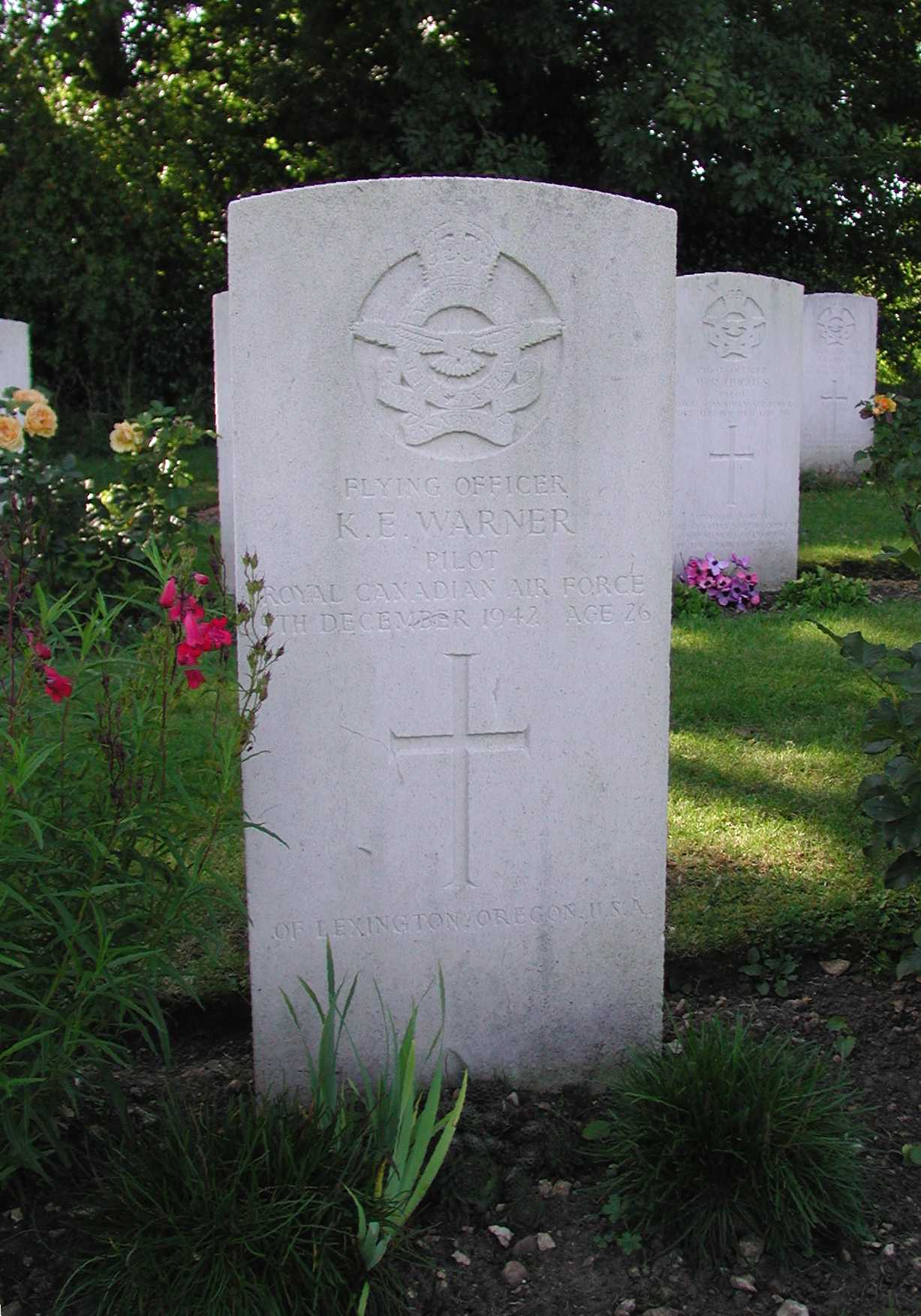
Marker stone to F/O K. E. Warner in Scopwick Church Burial Ground, Lincolnshire, England. Personal inscription reads: Of Lexington, Oregon, U.S.A. -
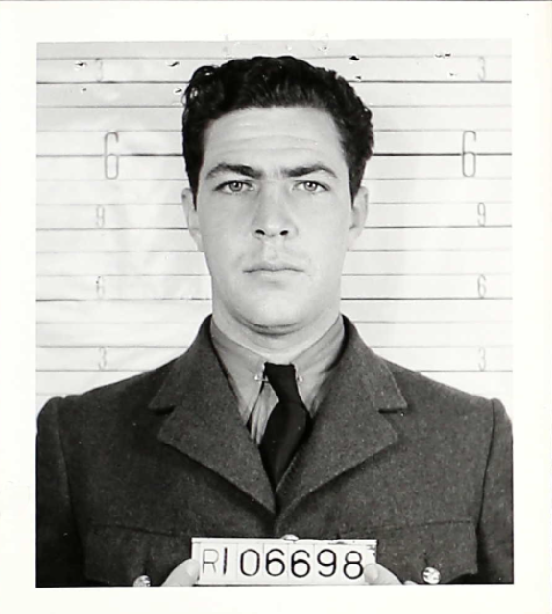
Photo of KENNETH EARLE WARNER
Submitted for the project, Operation Picture Me -
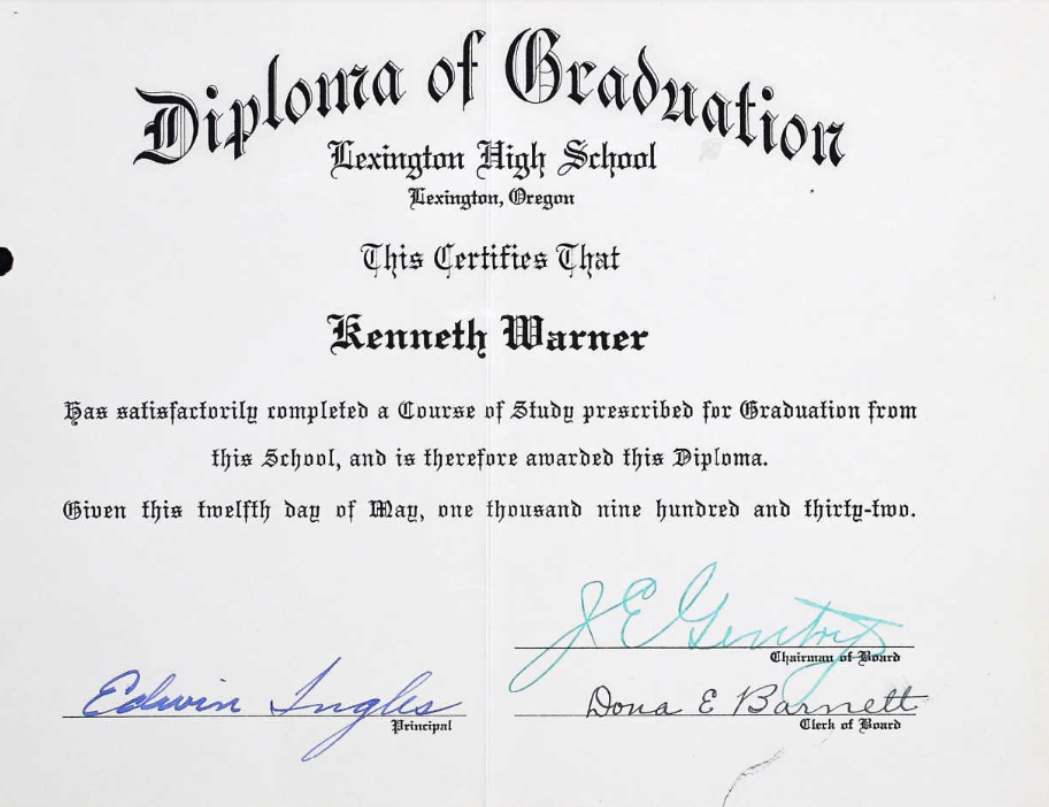
Certificate
Submitted for the project, Operation Picture Me -

Certificate
Submitted for the project, Operation Picture Me -

Letter
Submitted for the project, Operation Picture Me -
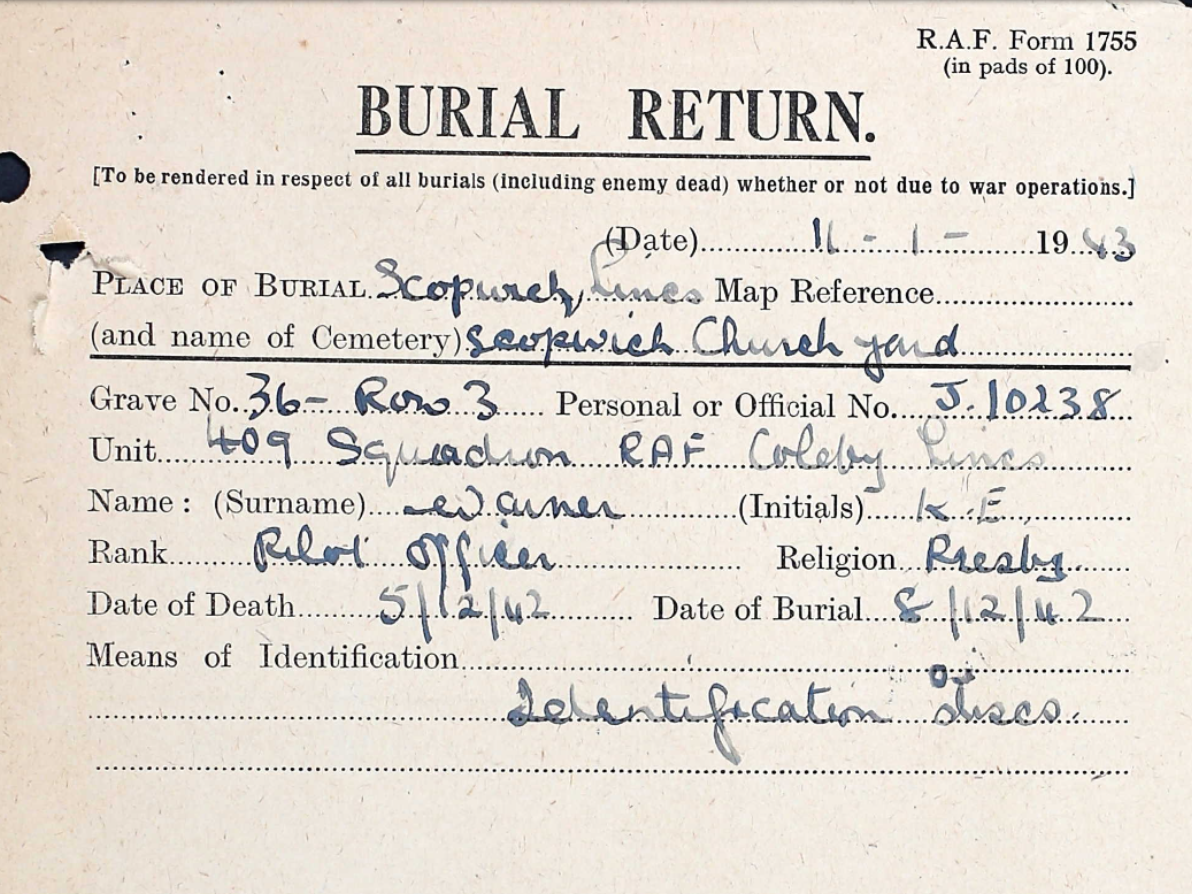
Document
Submitted for the project, Operation Picture Me -

Newspaper Clipping
Submitted for the project, Operation: Picture Me -
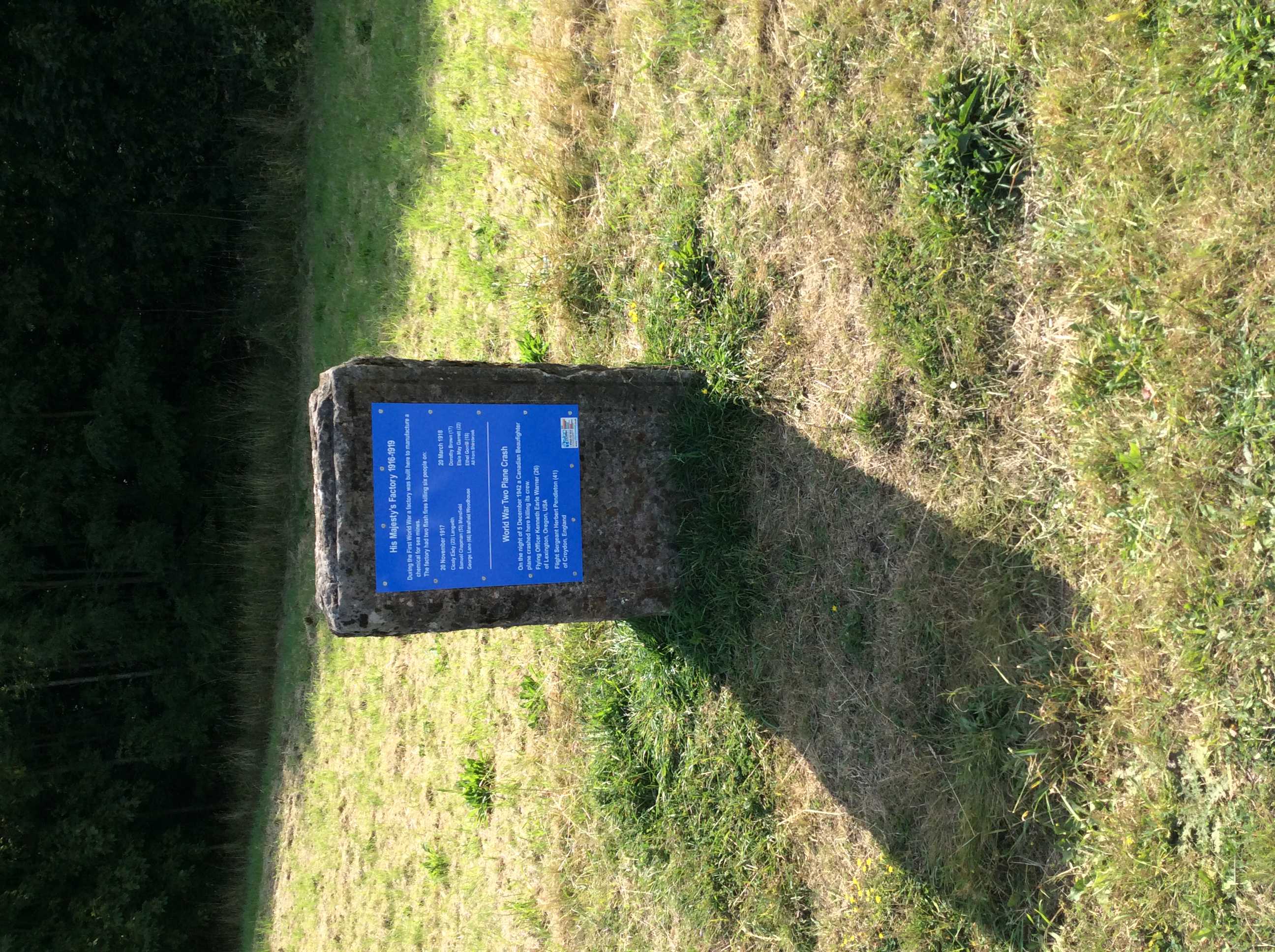
Memorial
Picture of the stone with information regarding Kenneth Earle Warner plane crash on what was Langwith Pit Tip now transformed into Poulter Country Park, Langwith, Mansfield Nottinghamshire England -
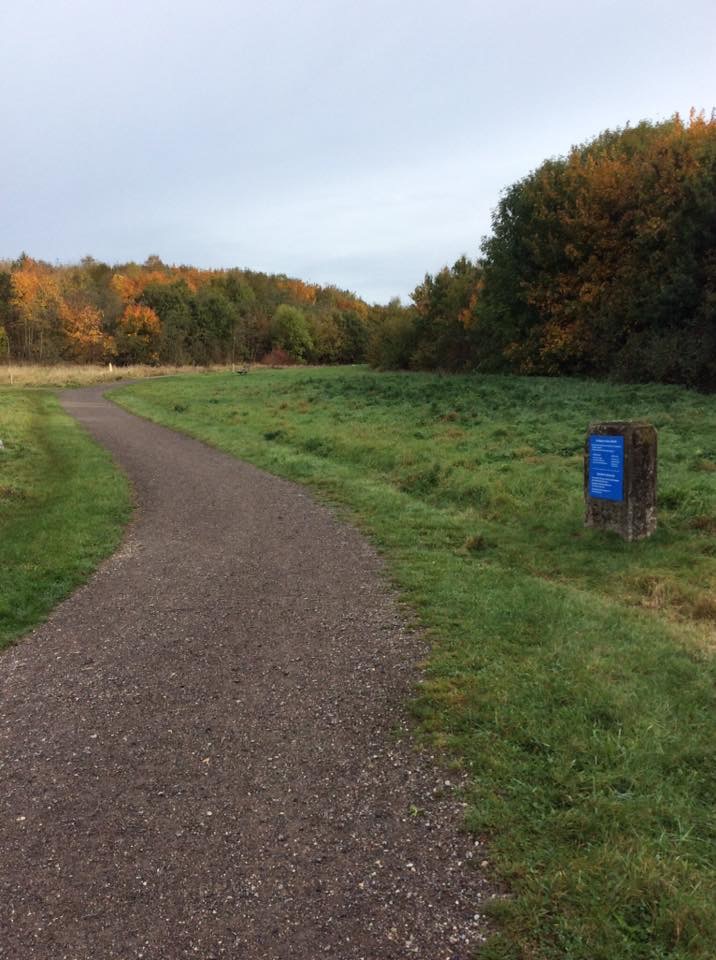
Memorial
A photo of the surrounding area where the stone with information of Flying Officer Kenneth Earle Warner is sited.
Digital gallery of
Flying Officer Kenneth Earle Warner
Digital gallery of
Flying Officer Kenneth Earle Warner
Digital gallery of
Flying Officer Kenneth Earle Warner
Digital gallery of
Flying Officer Kenneth Earle Warner
Digital gallery of
Flying Officer Kenneth Earle Warner
Digital gallery of
Flying Officer Kenneth Earle Warner
Digital gallery of
Flying Officer Kenneth Earle Warner
Digital gallery of
Flying Officer Kenneth Earle Warner
Digital gallery of
Flying Officer Kenneth Earle Warner
In the Books of Remembrance
Commemorated on:
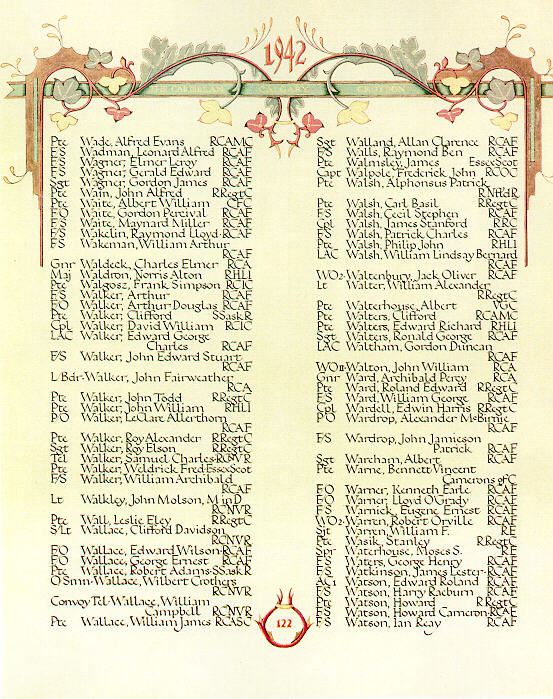
Page 122 of the Second World War Book of Remembrance.
Request this page
Download this page
SCOPWICK CHURCH BURIAL GROUND Lincolnshire, United Kingdom
Digby aerodrome was built towards the end of the First World War and after the war it functioned as a permanent unit of the Royal Air Force. In 1937 it became a member of No 12 Fighter Group in which it remained until the end of the Second World War.
Digby was one of the original sectors of Fighter Command and in the early days of the Second World War was very active in the defence of northern England. No 42 (Fighter) Squadron Royal Canadian Air Force (known as the Red Indian Squadron from the emblem which it carried) was formed there in April 1942. On September 16, 1942, the sector was taken over by the RCAF and until the end of the war was known as Royal Canadian Air Force Station, Digby.
The 37 Canadian airmen buried at Scopwick lost their lives while stationed at Digby. They include an American airman who served with the RCAF, P/O J G Magee, and author of the poem 'High Flight'.
Scopwick Church Burial Ground contains 50 Commonwealth burials of the Second World War and five German war graves. The graves form a plot in the top half of the burial ground. The Cross of Sacrifice in the corner of the plot was unveiled by the Air Member, Canadian Joint Staff on June 1, 1950.
For more information, visit Commonwealth War Graves Commission.
The Poppy Design is a trademark of The Royal Canadian Legion (Dominion Command) and is used with permission. Click here to learn more about the poppy.
Did we miss something?
Contribute information to this commemorative page
Do you have photographs, information or a correction relating to this individual’s virtual memorial? Learn more about the CVWM and the information we collect.