
Profile image
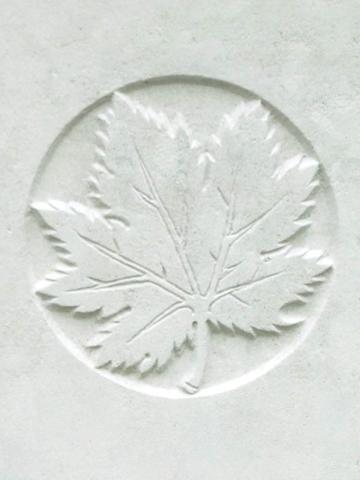
Military service
Age:
32
Rank:
Lieutenant
Force:
Army
Unit/Regiment:
Royal Welsh Fusiliers
Division:
1ST Bn.
Enlistment:
Manitoba
Death:
May 4, 1917
Burial/memorial information
Grave reference:
Bay 6
Additional information
Son of Humphrey and Adelaide Lewis, of Muriau, Conway, Carnarvonshire.
Digital gallery of Lieutenant Arthur Starkey Lewis
-
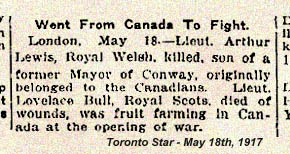
Newspaper Clipping
-
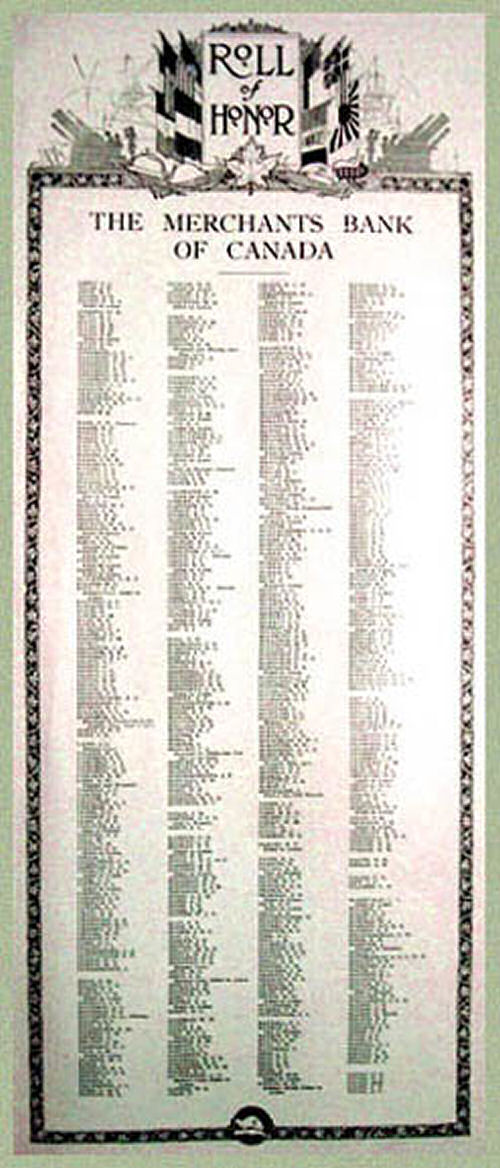
Roll of Honour
Lt. Arthur Starkey Lewis was included on the Merchants Bank of Canada 1914 - 1918 Roll of Honour. He indicated on his military attestation that he was a bank clerk. He volunteered to serve early in the war and signed his military attestation on September 26th, 1914 at Valcartier Camp, Quebec. He was a member of the historic First Canadian Contingent. Image Source: The Standard / Canada's Aid to the Allies and Peace Memorial. Edited by Frederick Yorston. Published by the Montreal Standard Publishing Co., Ltd., Montreal. This large Souvenir Edition magazine included the Rolls of Honour for various prominent Canadian businesses. -
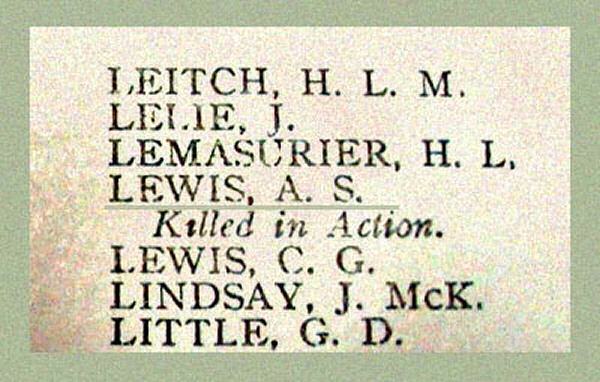
Name on the Roll of Honour
Detail of Lt. Arthur Starkey Lewis' name on the Merchants Bank of Canada 1914 - 1918 Roll of Honour.
Digital gallery of
Lieutenant Arthur Starkey Lewis
Digital gallery of
Lieutenant Arthur Starkey Lewis
Digital gallery of
Lieutenant Arthur Starkey Lewis
In the Books of Remembrance
Commemorated on:
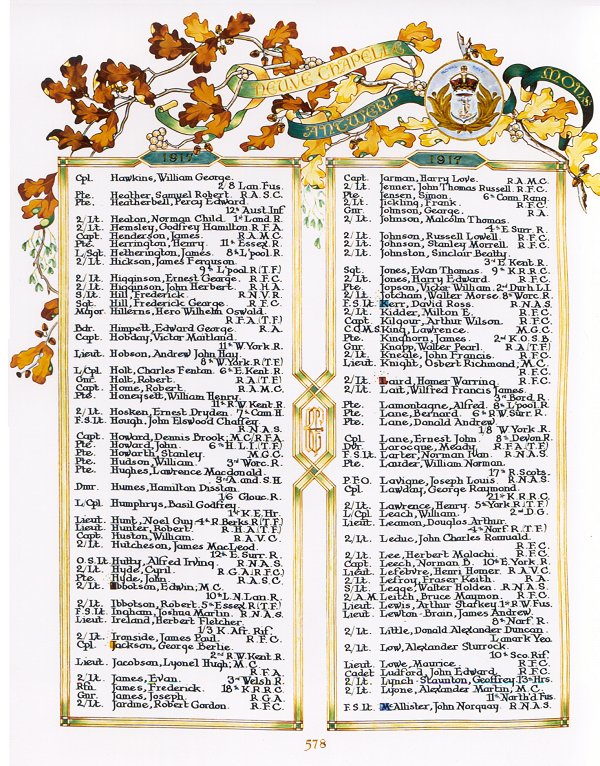
Page 578 of the First World War Book of Remembrance.
Request this page
Download this page
The Poppy Design is a trademark of The Royal Canadian Legion (Dominion Command) and is used with permission. Click here to learn more about the poppy.
Did we miss something?
Contribute information to this commemorative page
Do you have photographs, information or a correction relating to this individual’s virtual memorial? Learn more about the CVWM and the information we collect.