Canadian Armed Forces

Aim

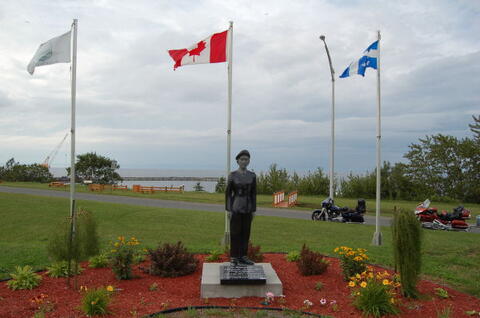
To increase youth awareness of nine Canadian Armed Forces members who lost their lives on 9 August 1974 and the sacrifices of our country’s peacekeepers over the years.

Important note

Some of the information shared in this lesson plan includes details about tragic events that may be upsetting for some people. Please review the content to gauge if resources about the Buffalo 9 tragedy are appropriate to use in your classroom.

Objectives

Through this activity, youth will:

Summary

Students will be challenged to create a 3-day emergency kit as they learn about how Canadian Armed Forces Veterans have helped Canadians respond to natural disasters.

An optional extension activity expands discussion to include Canada’s Cold War history as students consider what supplies would be needed to keep their entire class safe in a Cold War bunker for 30 days.

Objectives

Through this activity, students will:

Learn to read, write and say “Canadian Rangers” in several languages!

More than 60 percent of Canadian Rangers serving with the Canadian Armed Forces are Indigenous. Canadian Rangers live in more than 200 communities across Canada. They speak more than 25 different languages!

Let’s honour their service and recognize their diversity. Using the list below, read and hear the words “Canadian Rangers” in several languages. We’ve included some of the most spoken Indigenous languages in our country.

Who are the Canadian Rangers and what do they do?

Activity description

Students will learn about the Canadian Rangers by exploring the 5 Ws (who, what, when, where and why). They will work in teams to become “experts” on each aspect of the Rangers’ important work before reforming into mixed groups to share their findings. Students’ contributions will fit together into a puzzle forming an image representing a Canadian Ranger.