Attention!
Cette vidéo est disponible en anglais seulement.
Description
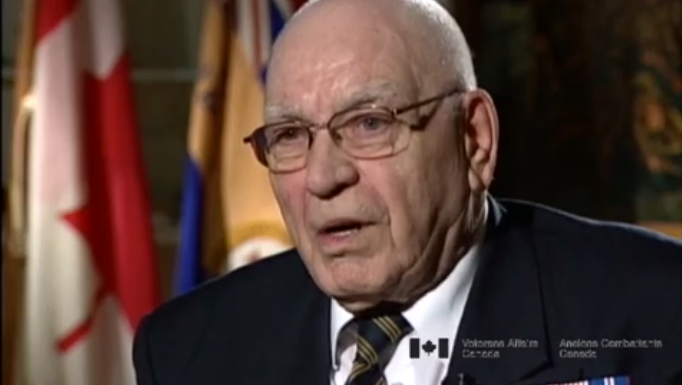
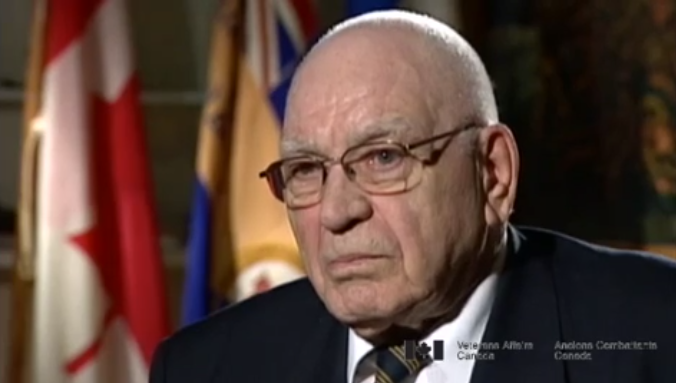
Ms. Spence talks about how war took over their lives. She tells us how all her life plans were on hold until war was over.
Transcription
War took over everything in our lives, everything was on hold until the war was over. And it just seemed to go on and on and on.
Interviewer: Tell me about that, war took over your lives, in what way?
Well you didn't make any plans for the future, you know I always said that I was going to be a nurse. I had several aunts that were nurses and I had a, and I had my, I had a sister and she was a school teacher, and you know we only knew two, my family were very insistent on education, and we only knew two professions, nursing and teaching. And my sister had gone to be a teacher and hadn't liked it and so had left the profession, and I ...and then I said well I would be a nurse. So, but we didn't plan to do anything until the war was over. But you know I don't think anybody has any idea, like how the war affected everybody. It wasn't just the people in service, it affected the people at home. You know not that we ever suffered. I was talking to a, a women who had been, gone overseas in the early days and she told me about how she'd come home from some evening and found that her apartment had been bombed, they had no more apartment. You know we didn't have anything like that. That was... and she was a Canadian who had gone overseas early in the war. She had joined up right as soon as the war started, as soon as they started the women's, and she was sent overseas right away and she was saying... And she said that, but she said "You know, I have really happy memories of the war." You know there were several of my husbands friends were killed overseas, there were two or three boys I went to school with that were killed, this was in the latter part of the war. I remember one boy who wanted to get in the air force so he hadn't finished his high school, so he came back and did his high school and then joined up, and six months later he was dead. You know so, you know they were... And these were horrible things for us who had never experienced them you know. For the people who had gone through, my father had gone through the first world war and my mother had some idea of what it was like and that's I think why she was... But, you know, in spite of her reservations she supported what both Bill and I did, by joining up so and she was very supportive of, of us in that, you know. I remember sending parcels overseas to my brother and hollowing out a loaf a bread and she, and booze, I mean my small town had, didn't sell any booze, it had bootleggers. And she'd hollow out a loaf of bread and put a bottle of booze in it, and send it and he'd get it. If there's a will there is a way. And cigarettes and she belonged to several organizations that were knitting sweaters and things to send overseas you know. Every, and I remember at high school, we had to take first aid kit, first aid courses and I remember it was my doctor that gave the, did the examining and he knew I wanted to be a nurse and I flunked the first aid course. So he... But it was, I wouldn't want anybody to go through it again.
Interviewer: Tell me about that, war took over your lives, in what way?
Well you didn't make any plans for the future, you know I always said that I was going to be a nurse. I had several aunts that were nurses and I had a, and I had my, I had a sister and she was a school teacher, and you know we only knew two, my family were very insistent on education, and we only knew two professions, nursing and teaching. And my sister had gone to be a teacher and hadn't liked it and so had left the profession, and I ...and then I said well I would be a nurse. So, but we didn't plan to do anything until the war was over. But you know I don't think anybody has any idea, like how the war affected everybody. It wasn't just the people in service, it affected the people at home. You know not that we ever suffered. I was talking to a, a women who had been, gone overseas in the early days and she told me about how she'd come home from some evening and found that her apartment had been bombed, they had no more apartment. You know we didn't have anything like that. That was... and she was a Canadian who had gone overseas early in the war. She had joined up right as soon as the war started, as soon as they started the women's, and she was sent overseas right away and she was saying... And she said that, but she said "You know, I have really happy memories of the war." You know there were several of my husbands friends were killed overseas, there were two or three boys I went to school with that were killed, this was in the latter part of the war. I remember one boy who wanted to get in the air force so he hadn't finished his high school, so he came back and did his high school and then joined up, and six months later he was dead. You know so, you know they were... And these were horrible things for us who had never experienced them you know. For the people who had gone through, my father had gone through the first world war and my mother had some idea of what it was like and that's I think why she was... But, you know, in spite of her reservations she supported what both Bill and I did, by joining up so and she was very supportive of, of us in that, you know. I remember sending parcels overseas to my brother and hollowing out a loaf a bread and she, and booze, I mean my small town had, didn't sell any booze, it had bootleggers. And she'd hollow out a loaf of bread and put a bottle of booze in it, and send it and he'd get it. If there's a will there is a way. And cigarettes and she belonged to several organizations that were knitting sweaters and things to send overseas you know. Every, and I remember at high school, we had to take first aid kit, first aid courses and I remember it was my doctor that gave the, did the examining and he knew I wanted to be a nurse and I flunked the first aid course. So he... But it was, I wouldn't want anybody to go through it again.
Catégories
Life on hold during the war
Médium
Video
Propriétaire
Veterans Affairs Canada
Guerre ou mission
Seconde Guerre mondiale
Personne interviewée
Ruth Ann Spence
Branche
Armée
Unité ou navire
Corps Dentaire
Military Rank
Corporal
Occupation
Assistant au dentiste
Durée
04:03