Attention!
Cette vidéo est disponible en anglais seulement.
Description
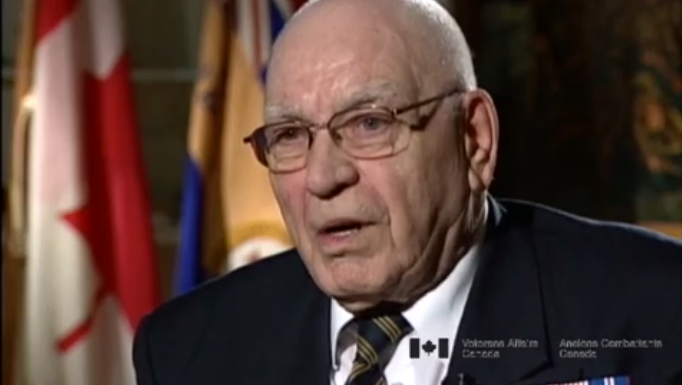
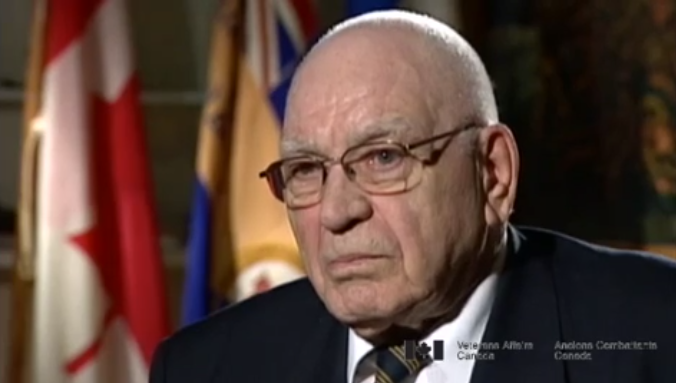
Mr. Laxton discusses gaining the confidence of the diverse factions in his Bosnian theatre.
Transcription
Differently, in different cases, we were . . . The Colonel I worked for, Colonel Woloschuk, was a very, very interesting man. And if he was to call me up today I would, I would go work for him again without hesitation. He was . . . he put on a white cowboy hat and his flak jacket, and drove up to the Serb checkpoint and asked to talk to the Serb commander. And when he got in to see the Serb commander, had all his people around and lots of guns and, you know, everybody was very, very much armed, and that . . . and he was asked, "Why are you here? " He said, "Oh, I'm new and I just thought I'd come down and introduce myself and see if you knew any good places to go fishing? " And it changed the whole tone. We weren't there to tell anybody what to do or anything like that, so we were the first contingent to actually go across this confrontation line. And it changed how people looked at us and that. We were very open. I went over to the Serb side many times, and met Serbs on that side. I met Croats that were still living on that side, and Bosnians that were still living on that side. The locals had a lot of respect for us, because of what we were doing, and particularly the unit. We, we worked very hard at trying . . . our second mission, the promotion of peace. And our first mission of support humanitarian aid, was very well accepted. We, we would negotiate long and hard, and, and like a month of negotiations, and time the release of trucks, to make sure that aid was going to three communities, and it arrived all at the same time, so nobody got first. It was always, "Oh, you favoured them because they got theirs first," or whatever. No, we, we spent a lot of time negotiating these things and making sure that, the timing was right. And we also would not put in an observation post in a building, or anything like that, or apply our protection to a building, if there was any military associated with it whatsoever. They either move the military out, or we wouldn't have anything to do with it. And, and we treated them all the same. So the actual local population was, was very receptive to, to us and that. The Gypsies, we would, we would try and make sure that they got some food and try and stop people from stealing it from them. The, there was a lot of civilians worked in our camp as cooks and barbers and general cleaning help and that. And they got to know people and, and the word got out that it really didn't matter, whether you were a Serbian or Bosnian or a Croat, in the eyes of us, they were people in, in need. And then, so, people would wave at you. The kids would always ask for bon bons and you'd throw candy to them. That was something that the UNCF drivers started, and it wasn't a good thing because the kids would run out in the street, hoping to get candy, and 'course they're right out in front of you and that, you know, hitting the breaks and everything else. Then we were, weren't allowed to give candy, so then they, they'd get to the fence and they started throwing rocks at, at you.
Catégories
It changed how people looked at us
Médium
Video
Propriétaire
Veterans Affairs Canada
Guerre ou mission
Forces armées canadiennes
Emplacement géographique
Bosnie
Campagne
Bosnia
Personne interviewée
David Laxton
Branche
Armée
Unité ou navire
<em>Lord Strathcona's Horse</em>
Military Rank
Sergent
Occupation
Armoured Crewman Terrain Analyst / Topographical Surveyor
Durée
3:43