Attention!
Cette vidéo est disponible en anglais seulement.
Description
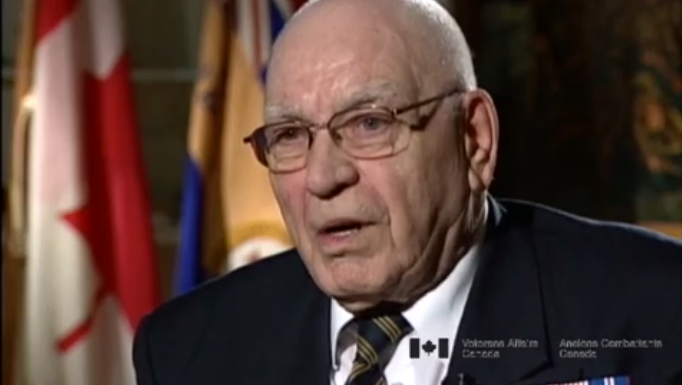
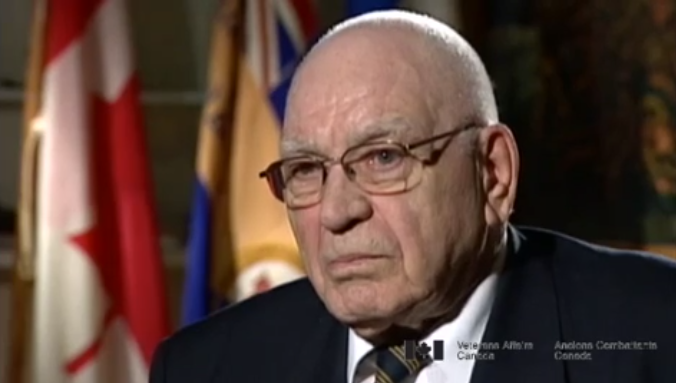
Donald Stewart Ethell
Donald Stewart Ethell est né en juillet 1937 et a grandi à Victoria (Colombie-Britannique). Son père était un ancien combattant de la Première Guerre mondiale et de la Seconde Guerre mondiale. Sa mère était infirmière. Sa soeur et lui ont étudié dans un pensionnat en raison des emplois qu’occupaient ses parents et ils retournaient à la maison seulement à Noël et pendant les vacances d’été. La mère de M. Ethell est décédée lorsque ce dernier n’avait que 10 ans. <br><br> Lorsqu’il s’est enrôlé, M. Ethell a joint les Queen's Own Rifles à Calgary. Après plusieurs années de service comme soldat d’infanterie, on l’a recommandé pour qu’il reçoive la formation d’officier. M. Ethell réussit le programme et s’éleva au rand de colonel. Plus tard, il a commandé des troupes canadiennes et des troupes des Nations Unies au cours de divers missions partout dans le monde. Au milieu des années 1990, Col. Ethell a pris sa retraite après plus de trente-cinq ans de services distingués.
Transcription
It was the United Nations Emergency Force, as it ended up, it was Emergency Force 1, because the subsequent force came in and it was designed to form a buffer between the Egyptians and the Israelis. The other aspect of this particular force was there was two major powers involved, the Americans and the British and they weren't necessarily on the same side. So that's when Mr. Pearson, the then Secretary of State for External Affairs or Foreign Minister, is a better term, made recommendations to United Nations headquarters in New York to the Security Council, that there needed to be a neutral body put in place. So that force was put in place and to be quite frank, I can't remember the other countries that contributed to this particular force, but because of the similarity in uniforms, because remember we were still wearing battle dress, similar to the British battle dress and so forth, similarity between our uniform, Canadian uniform and the British forces that there had to be a distinctive headdress, hence the Blue Beret and Casablic (sp? ) came into being Blue Beret or blue helmet, so they could tell the difference.