Attention!
Cette vidéo est disponible en anglais seulement.
Description
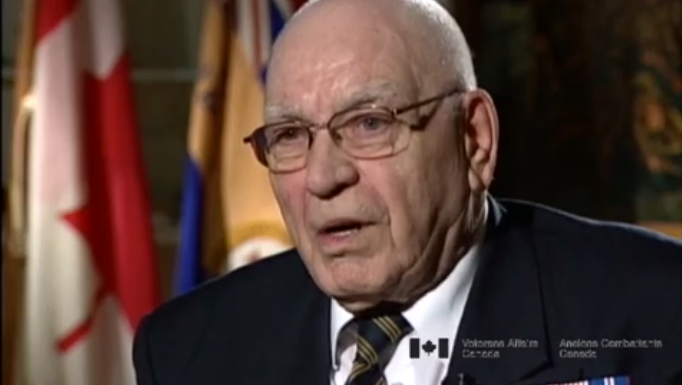
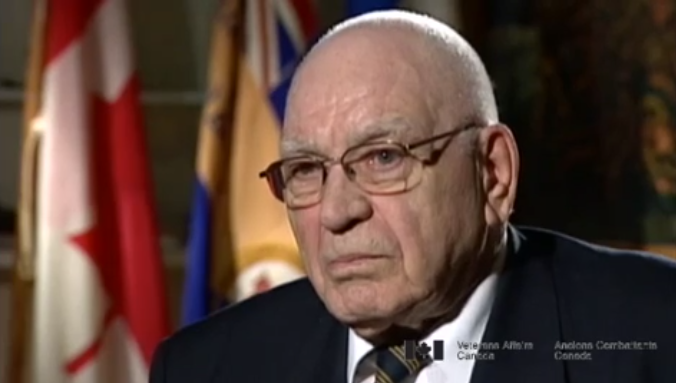
Officer Hickey recounts his arrival and subsequent adjustment to the devastated region.
Transcription
Sierra Leone there was an eleven person Canadian contingent there which rotated in and out every six months. It since ceased. We work under the British Army’s training cadre, training company and we’re all given specific jobs within that. It was a culture shock when we landed in Freetown and it was just total, total destruction. Not just, you know, a few things here damaged, but it was just total destruction. And the climate itself, we were there during the rainy season and the month of August was just like you were under a shower for a month. It just came down and so we did a lot of training in the jungle itself. You had different Sierra Leone battalions out in different parts of the country acting as security forces especially along the borders and we just go up with them every now and again, you know, just make sure they are doing what we’re teaching them to do but yah it was a major culture shock. You sort of see the, what do you call it, the effects, the after effects of the war. What we were trying to do was try and get a security force because before that there was the Serra Leone Army and the rebel force. The rebels were way better trained than the normal Sierra Leone soldier so we just took them and we mingled them all together and got the best ones and trained them in certain parts and, you know, a lot of stories there. And there was one incident there I had a young girl, a female soldier in the office and, you know, if you say to go pick up some files. “I want to have a look at these files tomorrow!’ These are files of different soldiers. And the paper they were on looked like a hundred years old and she had them stashed on her desk there and I said, “Can you put them in some sort of order for me because the names are all different.” And the next day I went back and the stack was still in the same place. And she could understand English and all that but what I found out the next day when I came back, that the stack was still there, she couldn’t read or write so she didn’t and we sort of take that for granted. But when you go to these places, you have to, yes you bring your values with you but you also have to understand that you’re going to a whole different culture and they don’t have the education we have or they don’t even get an opportunity to have it so this young girl was a clerk or like an administrative assistant yet she couldn’t read or write so when you ask her to do something like put these in alphabetical order, I don’t know so things like that.
Catégories
Culture Shock in Sierra Leone
Médium
Video
Propriétaire
Veterans Affairs Canada
Guerre ou mission
Forces armées canadiennes
Personne interviewée
Bill Hickey
Military Rank
Adjudant-maître
Occupation
Police Officer
Date d’enregistrement
Durée
3:27