Attention!
Cette vidéo est disponible en anglais seulement.
Description
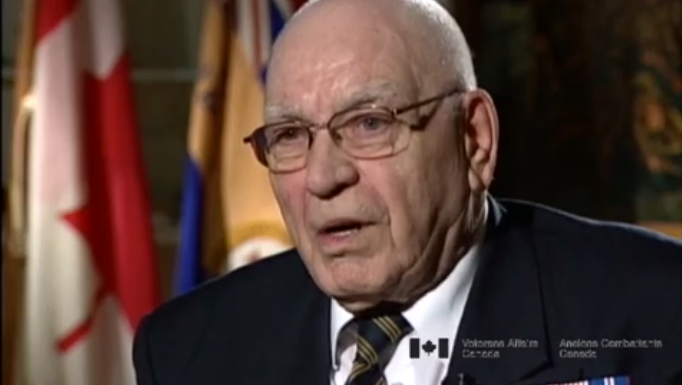
Mr. McCue provides a detailed approach during action in the use of rules of engagement.
Transcription
The rules of engagement are very carefully designed for whatever conflict that you are going to and they change over time so we got initial rules of engagement on training to go to Bosnia. We were then given another one that was a draft of the legal contract that was being made at the time with NATO and then we got our third one when we were on mission. You got a different set. And there’s very small changes but they make the world of difference in what you can and cannot do. And you have to make sure that – we jokingly say in the army, you know, I’d rather be carried by six then buried by twelve which is, or judged by twelve. You got to protect yourself so if it means being tried as opposed to being carried home in a casket sometimes you have to do what is right to protect yourself and your team. However, we are subject to those orders and those regulations and the soldiers follow them incredibly well. I am very proud of our soldiers for their ability to operate under those conditions because it’s not easy and it’s not easy just to blindly follow the rules for the sake of following the rules when your life is on the line, you feel very threatened. It’s difficult sometimes to remember the use of force and when you can and cannot use it. However, they are there to protect you. Soldiers find a way around everything. You find a way to make things work and to make them effective for you and efficient. I know in Bosnia there was jokes about how you had to fire a warning shot in the air and then you had to, you know, fire a warning shot on the ground and then eventually you could shoot back at the belligerent that was threatening you. By this time you were talking about, you couldn’t have a magazine on your weapon, you had to have a magazine in your pouch so your first step is to say stop or “Stoj” in Bosnian, former Yugoslavia. You take your magazine out and you place it on your weapon, that was your first step. You say stop again, you could then charge your weapon. The third step was to say stop a third time and then you could point the weapon in their direction. And all of these things were designed to give an escalation of force that was proportionate to what was going on. It’s great in a legal sense when you are sitting at a desk or a chair in an office and you are able to write these things out. In practice, it’s much more difficult. You don’t have the luxury of all the time in the world to do all of these steps and stories are the soldiers had their magazines in, they were carrying them as threatened. They would do what they needed to do. If you had to shoot you would then fire a round in the air to, so there would be two shots fired. So your warning shot would be recorded as being fired and, you know, luckily it didn’t happen but, you know, there’s a lot of talk of it. There’s the official orders which you’re given and then there’s the soldiers are trying to figure out a way to make this work and still keep our soldiers alive because as a sergeant you’re responsible for your men. You want to make sure they have every opportunity they have to come home but you still have a mission to accomplish that the officers have given you. So you’re torn. You are in between the privates and the captains and you’re the guy they come to from both ends for answers. You have to make sure your men are capable of making the right choices and the right decisions. I had troops that were eighteen years old and they were making those decisions daily. That’s a lot of pressure on an 18-year old.
Catégories
Understanding and Exercising Rules of Engagement
Médium
Video
Propriétaire
Veterans Affairs Canada
Guerre ou mission
Forces armées canadiennes
Emplacement géographique
Bosnie
Campagne
Bosnia
Personne interviewée
Robert McCue
Branche
Armée
Unité ou navire
Princess Patricia's Canadian Light Infantry (PPCLI)
Military Rank
Sergent
Date d’enregistrement
Durée
3:39